Missouri fans received reassuring news on Wednesday when a St. Louis County judge denied the NCAA’s motion to dismiss a temporary restraining order that had been filed on behalf of defensive tackle Sterling Webb. The ruling means Webb is eligible to suit up for the Tigers when the team opens its 2026 season against Arkansas‑Pine Bluff on Thursday.
Background on Webb’s eligibility fight
Webb, a 2022 high‑school graduate, began his collegiate career at New Mexico State before transferring to Missouri. He started eight games for the Tigers last season and three games in 2024, contributing solidly on the defensive line. When the NCAA introduced a new rule granting athletes five years of eligibility within a five‑year window, Webb was excluded from the transition group because he had already used four years of competition.
Believing the rule unfairly barred him from a fifth year, Webb sued the NCAA. A temporary restraining order was granted, allowing him to continue practicing with the team while the case proceeds. The NCAA sought to have that order lifted, arguing that the rule was applied correctly. The judge’s denial of the NCAA’s motion leaves the restraining order in place, preserving Webb’s eligibility.
Coach Drinkwitz’s response
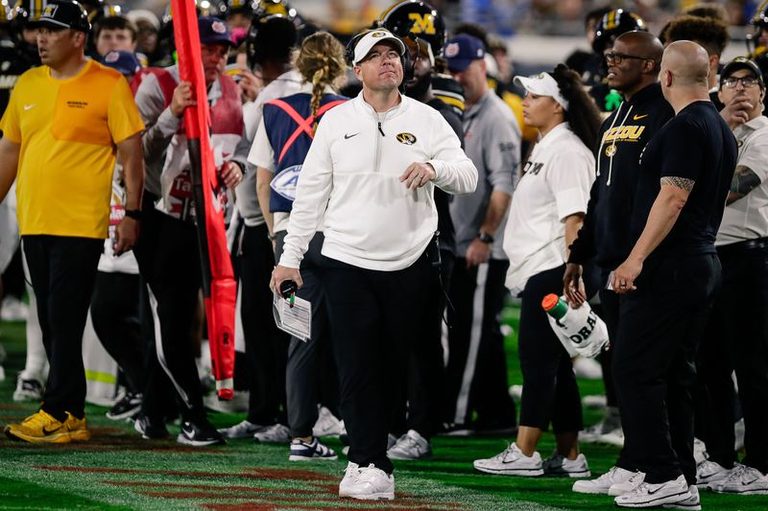
Head coach Eli Drinkwitz welcomed the court’s decision, noting that he had already brought Webb back to practice in July while the legal battle unfolded. “I’m just trying to figure out who’s eligible for our games – tomorrow,” Drinkwitz told reporters during the SEC coaches teleconference, emphasizing the practical need to finalize the roster.
Drinkwitz stopped short of guaranteeing Webb a spot on game day, saying the player will continue to be eased back into full practice before any final decision is made. The coach’s measured tone reflects both confidence in Webb’s abilities and a respect for the ongoing legal process.
What the ruling means for Missouri football
The decision restores depth to Missouri’s defensive line as the Tigers prepare for their season opener. Webb’s experience and size provide a valuable option for the coaching staff, especially against a non‑conference opponent like Arkansas‑Pine Bluff.
Missouri’s schedule this year includes several challenging matchups within the SEC, and having an eligible, battle‑tested defensive tackle could prove crucial in the early weeks. Fans will be watching closely to see whether Webb earns a snap in the first game and how his presence influences the defensive front.
Legal context
The case highlights the ongoing tension between the NCAA’s eligibility regulations and athletes’ rights to pursue additional playing time. While the NCAA argues that its five‑year rule maintains competitive balance, players like Webb contend that the rule can be applied inconsistently, especially for transfers and those who have sat out seasons due to injury or other circumstances.
Legal experts note that the judge’s refusal to dismiss the restraining order does not constitute a final ruling on the merits of Webb’s claim, but it does signal that the court sees potential merit in his argument. The case will likely continue through the courts, with the NCAA possibly appealing the decision.
Looking ahead
As the Tigers gear up for their first game, the focus will shift from legal maneuvering to on‑field performance. Whether Webb earns a starting role or serves as a rotational player, his eligibility adds a layer of optimism for Missouri supporters who hope the team can compete strongly in the SEC.
Missouri’s football program will continue to monitor the legal proceedings, but for now, the court’s decision allows the team to move forward with a full roster and a clear path to the season opener.
Original reporting: Appleton, WI News Feed (HLL/CB) — read the source article.