Springfield, Mo. – Tuesday’s midterm election reshaped the Missouri General Assembly, delivering the largest House gain for Democrats since 1974. The Democratic caucus added 16 seats in the state House and two seats in the Senate, ending a 14‑year Republican supermajority.
Numbers and Immediate Impact
After the vote, the House will consist of 68 Democrats and 95 Republicans. While Republicans retain a comfortable majority to pass bills and budgets, they will now require Democratic support to override a gubernatorial veto or to enact emergency legislation.
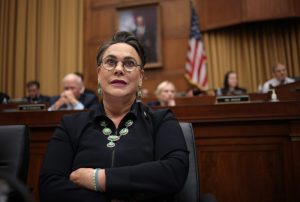
House Minority Leader Ashley Aune celebrated the results, saying the party’s short‑term goal is to keep the momentum while the long‑term plan remains to reclaim the entire General Assembly.
Voter Concerns Highlighted
Aune criticized the Republican Party for appearing out of touch, noting that “Folks are worried about the price of gas; they’re worried about putting food on their table,” rather than the party’s focus on attacks against socialism and gender‑affirming care for minors.
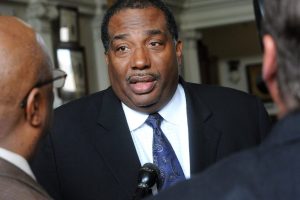
Local activist Caitlyn Adams, executive director of Missouri Jobs with Justice Voter Action and spokesperson for the Will of the People coalition, credited years of grassroots outreach for the swing. “It’s more than just a hot‑take blue‑wave night; it’s about years of engaging people,” she said, adding that the Legislature is unpopular with Missourians and that Governor Mike Kehoe shares that unpopularity.
Expert Analysis
Political science professors offered context. Steven Rogers of Saint Louis University linked the results to President Trump’s low approval rating, suggesting a national backlash that does not necessarily signal a permanent shift toward Democratic control in Missouri.
Scott LaCombe of the University of Missouri described the outcome as a typical midterm backlash, emphasizing that voters are expressing dissatisfaction with the status quo rather than endorsing every Democratic policy.
Republican Response
Governor Kehoe’s office issued a statement acknowledging the results and pledging to work across the aisle. “Taking real action on policies that help families afford to pay their bills, improve the education of our children, and ensure our communities are safe matters much more than well‑delivered lines in campaign commercials,” Kehoe said.
Despite the losses, Republicans continue to hold all statewide executive offices, and political analysts note that Democrats will need sustained effort to compete for future executive positions.
What This Means for Missourians
The shift signals a growing appetite for change among voters, particularly on economic issues such as gas prices and household expenses. While the GOP still controls the legislative agenda, the increased Democratic presence could lead to more robust debate and potential policy adjustments that better reflect constituent concerns.
As the new session approaches, both parties will be watching closely how this altered balance influences budget negotiations, veto considerations, and the broader political climate in Missouri.
Original reporting: KY3 Springfield (local) — read the source article.