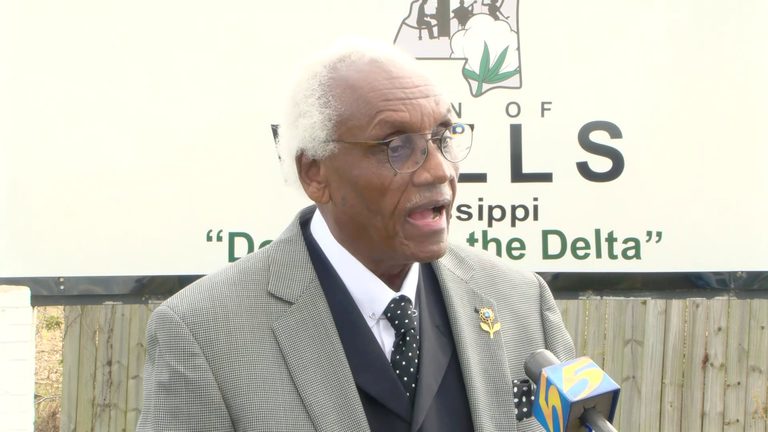
MEMPHIS, Tenn. – Leslie Burl‑McLemore, who made history as the first Black person to cast a ballot in DeSoto County, believes the recent election of Senator Scott Colom should spur Mississippi to adopt early‑voting options. McLemore, then a 21‑year‑old student at Rust College, traveled with his brother and a friend to the DeSoto County Courthouse to register and became the county’s first Black voter.
Historic Senate win underscores voting‑access gaps
Colom’s victory, the first Black win for the state’s U.S. Senate seat since Reconstruction, was called more than a week after Mississippians voted. Some ballots were still being counted in DeSoto County when officials announced the result, a delay McLemore attributes to the lack of early‑voting opportunities.
“This is historic; it is really going to change the face of Mississippi politics, quite frankly,” McLemore said, reflecting on the significance of the win and the need for modern voting practices.
Calls for early‑voting legislation
McLemore warned that the state’s current system forces voters to wait until Election Day, a hurdle that can suppress participation, especially in rural and historically underserved communities. He noted that past attempts to create early‑voting legislation stalled in the House, but recent developments suggest a shift.
“There have been efforts by members of the state legislature to change that, but they haven’t been successful. With the election of Scott Colom, there is going to be a greater emphasis on changing that,” he said.
Bipartisan momentum emerges
Republican leaders are beginning to recognize the benefits of early voting. Mike Hurst, chairman of the Mississippi Republican Party, told reporters, “I think Republicans are starting to wake up and seeing that this absentee voting, this early voting here in Mississippi is a thing. It’s something they can and should do.” Hurst’s comments suggest that the issue may now have bipartisan support, a notable change from earlier legislative sessions.
What early voting could mean for Mississippians
Early voting would allow citizens to cast ballots at designated locations days or weeks before Election Day, reducing long lines and giving voters more flexibility. Advocates argue it would increase turnout, particularly among seniors, working families, and communities that have historically faced barriers to the polls.
Critics, often aligned with concerns about election security, have previously opposed expanding absentee options. However, the recent political climate and the historic nature of Colom’s victory appear to be softening that stance, opening a window for legislative action.
Next steps for the legislature
The Mississippi House and Senate are expected to revisit early‑voting proposals in the coming weeks. If passed, the measures could be signed into law before the next election cycle, giving the state a chance to modernize its voting infrastructure.
McLemore emphasized the importance of community involvement, urging citizens to contact their legislators and voice support for early‑voting reforms. “It has to change now,” he said, echoing the sentiment of many who see the recent election as a catalyst for progress.
As Mississippi grapples with its voting future, the story of Leslie Burl‑McLemore serves as a reminder of how far the state has come and how much farther it can go when citizens and leaders work together.
Original reporting: Action News 5 WMC (Gray) — read the source article.