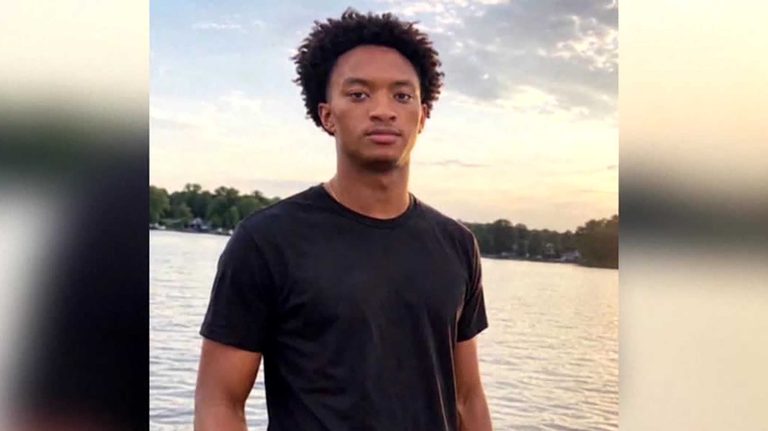
At a Thursday morning news conference in Jackson, Mississippi, civil rights attorney Ben Crump and digital‑forensics expert Andrew Garrett released newly extracted data from the late Nolan Wells’ smartphone. The family continues to demand answers after a Jackson County grand jury declined to file criminal charges in the teen’s July 4 death on Horn Island.
Phone data and Snapchat messages raise new questions
Crump read excerpts from Snapchat conversations among Wells’ friends. One exchange described two “sketchy looking guys” in nearby boats as “felons,” while another warned, “You don’t want to be left alone with those guys, especially if you were drunk.” A later message expressed concern about encountering “racist people” on the island. Crump argued the messages suggest some friends doubted the drowning narrative.
Forensic extraction process
Attorney Liza Park disputed District Attorney Angel Myers McIlrath’s account of how the phone was handled after Wells’ death. According to Park, the family and prosecutors initially agreed to a joint forensic examination, but the meeting never materialized. McIlrath’s office later offered to conduct the analysis at a community‑college facility controlled by law enforcement, a setting the family said would bar their own forensic specialist.
In response, Wells’ parents hired Garrett Discovery to create a forensic copy of the phone at their home before surrendering the original device. The extraction took nearly 24 hours; prosecutors were informed of the delay and reportedly accepted the timeline. Park maintains the family ultimately provided the district attorney with the complete extraction reports, though she said they do not know how the evidence was presented to the grand jury.
Technical findings
Garrett explained that roughly 90% of Wells’ communications occurred via Snapchat and Instagram, with most messages exchanged in group chats. The version of Snapchat on the phone was too recent for the company’s standard forensic tools, so his team manually decoded the data over a week.
The analysis showed Wells used Face ID, opened several apps, and that the phone continued syncing after his death because other participants remained active in group conversations. GPS and device data traced the phone’s movements: a visit to a McDonald’s at 8:24 a.m., boarding a boat at 9:31 a.m., arriving on Horn Island around 11:18 a.m., and a final lock at 2:18 p.m. The phone was later retrieved by the family at approximately 3 a.m. the following morning.
Autopsy report and cause of death
Crump also read portions of the state medical examiner’s three‑page report, which documented two red‑purple contusions on the back of Wells’ scalp, each about two inches across. The report noted no fractures of the larynx, thyroid bone, or spine, no fluid or debris in the airways, no water in the throat or stomach, and an empty stomach. The examiner classified the death as “undetermined.”
Family‑hired pathologist Dr. Roger Mitchell, who performed an independent autopsy, found no white blood cells associated with the injuries, suggesting the bruises occurred close to or shortly after death. Mitchell is expected to compare the two autopsies at a forthcoming news conference in Atlanta.
District Attorney’s response
McIlrath’s office has not publicly disputed the forensic timeline but continues to stand by the grand jury’s conclusion that Wells’ death was an accidental drowning. The district attorney’s office confirmed it received the forensic reports from Garrett Discovery and that state forensic examiners use comparable tools.
While the family and their legal team argue that the new phone evidence and autopsy findings merit a fresh investigation, the current administration of the Jackson County district attorney maintains that the existing legal process was properly followed.
Community reaction
Local residents expressed a mix of concern and support for the family’s pursuit of answers. Some community leaders called for transparency in the handling of forensic evidence, emphasizing the importance of trust between law‑enforcement agencies and the families they serve.
The case remains open in the public’s eye, with further forensic review and an upcoming independent autopsy discussion slated for next week.
Original reporting: KCCI Des Moines — read the source article.