On November 3, Minnesota voters will face a single‑subject constitutional amendment that could significantly increase funding for public schools across the state. The proposal would raise the annual distribution from the Permanent School Fund (PSF) from the current 2.5% of the fund’s value to 4.5% of a three‑year average, without any accompanying tax hike.
What the amendment would change
The PSF, created shortly after Minnesota achieved statehood in 1858, is a land‑trust that generates revenue for education. Most of the trust lands sit in ten northern counties and include forestland, mineral rights, agricultural parcels and wetlands. Timber harvests and mining operations have historically supplied the bulk of the fund’s income.
Since 2017, the PSF’s market value has nearly doubled, climbing from $1.3 billion to $2.4 billion. Under the existing constitution, about 2.5% of the fund’s value is distributed to schools each year, even though the fund has averaged roughly 8% annual investment returns over the past decade.
The amendment would shift the payout formula to 4.5% of the three‑year average value of the fund. That change would raise the per‑pupil allocation from roughly $68 to about $101. In practical terms, the additional money would amount to roughly $1 million per year for both the Minneapolis and St. Paul public school districts, which have faced steep budget cuts in recent years.
Why the amendment matters to families
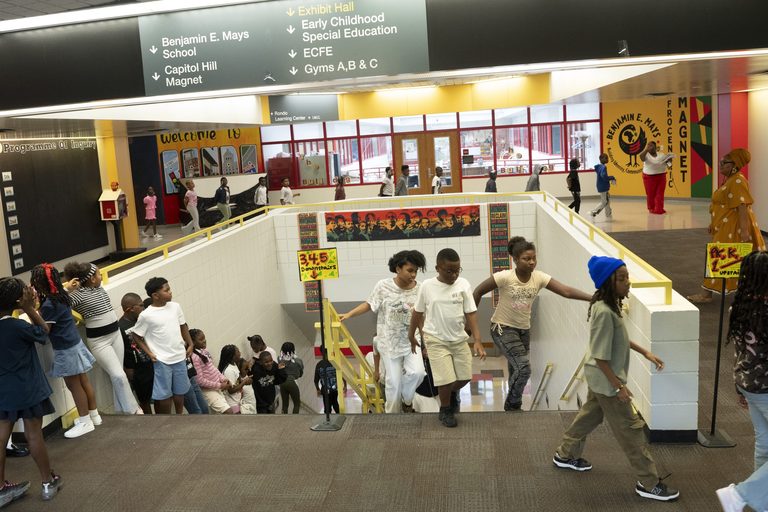
For parents and teachers, the proposed increase promises more resources for classrooms, extracurricular programs, and essential services. The extra $33 per student could help offset recent cuts—Minneapolis schools trimmed $39.7 million from their budget last year, while St. Paul reduced spending by $14 million.
Supporters argue that the amendment leverages existing assets without burdening taxpayers, aligning with the principle of strengthening families through better‑funded schools. Critics, however, caution that higher payouts could reduce the fund’s long‑term growth potential, potentially limiting future flexibility.
How the vote will be counted
The amendment will be approved only if a majority of voters select “yes.” Blank or unanswered ballots will be counted as “no” votes, ensuring that any lack of participation does not inadvertently pass the measure.
Polling places across Minnesota will close at 8 p.m. on Election Day, and results will be posted online in ten‑minute intervals throughout the evening.
Context and next steps
The PSF has been a cornerstone of Minnesota’s education financing for more than a century. Adjusting its distribution formula reflects a broader trend among states to seek innovative ways to fund schools without raising taxes. If approved, the amendment would take effect in the next fiscal cycle, providing an immediate boost to school districts statewide.
Voters are encouraged to review the amendment’s language on their sample ballots and consider how the proposed funding change aligns with their priorities for education, family stability, and fiscal responsibility.
Original reporting: Sahan Journal — read the source article.