In Minnesota’s suburbs, a wave of Somali‑American voters who backed President Trump in the 2024 election have switched their ballots to Democrats in the 2026 cycle. Community leaders say the shift reflects frustration with anti‑Somali messaging from local Republicans and concerns over the Trump administration’s foreign‑policy decisions.
From Trump rally to Democratic ballot
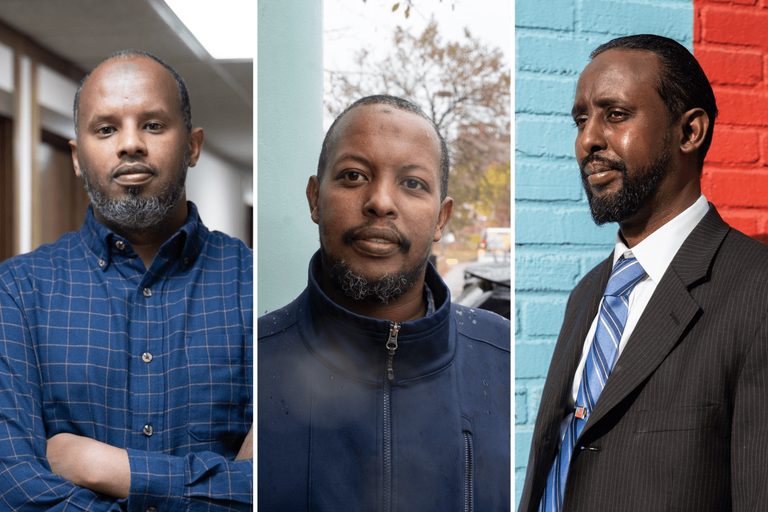
Two years after leading a press conference at the state Capitol wearing a white Trump hat, medical consultant Salman Fiqy voted for Democrats across the board. He told Sahan Journal that “Operation Metro Surge” and what he described as “racial‑based policies, anti‑immigration” from the GOP left him no choice but to support the other party.
Fiqy, a Burnsville resident, still calls himself a conservative but says today’s brand of conservatism is dominated by the “MAGA” label, which he cannot endorse. “That kind of representation I cannot deal with: racial‑based policies, anti‑immigration. It was never the intention to join that kind of cult,” he said.
Local voices echo the sentiment
Entrepreneur and author Badal Kariye, who voted Republican in 2022 and 2024, also returned to the Democratic ticket. He recalled supporting President Trump for his promise to “shake up Washington D.C. and kill corruption,” but added that the administration “did not do anything except defy the American people.” Kariye said the shift was less about immigration and more about perceived discrimination.
Long‑time conservative activist Mohamed Amin, known for his “Average Mohamed” cartoons, noted that the anti‑Somali rhetoric was not his primary grievance. “Another war in the Middle East — that killed me,” Amin said, referring to the administration’s new conflict with Iran.
Polling trends and demographic swings
A poll released after the 2024 election showed Somali support for Trump rising from 10 percent in 2020 to 22 percent in 2024, marking a clear upward trend for the GOP among this community. However, a nationwide post‑election poll by BSP Research indicated that Latino voters swung back to Democrats by 14 points and Black voters by 8 points in 2026, suggesting a broader reversal of the coalition that helped Trump win two years ago.
Fiqy highlighted that Trump’s 2024 victory was built on a “coalition of different communities,” including a 22‑point swing among Latinos and a 7‑point swing among Black voters. The recent declines underscore the challenge the party faces in maintaining those gains.
Looking ahead
Both Fiqy and Amin warn that the Republican Party must broaden its outreach beyond what they call “tunnel vision” if it hopes to win back Somali voters in future elections. Fiqy urged the GOP to “change completely and do some groundwork to expand beyond this tunnel vision they have and be more inclusive.”
Amin suggested a focus on individual rights and smaller government could resonate, but warned that the party’s “Willie Horton on steroids” style messaging must end. He also called for the party to embrace its women of color candidates, noting that top Republican ticket members this year, Demuth and Senate candidate Michelle Tafoya, are women of color who “should have run as women of color.”
The conversation among Minnesota’s Somali community reflects a broader national debate about how the Trump administration’s policies and rhetoric impact minority voters. While the administration’s promises of anti‑corruption reforms and economic revitalization remain central to its platform, the recent voter shift signals a need for the party to address concerns about cultural inclusion and foreign‑policy aggression.
Original reporting: Sahan Journal — read the source article.