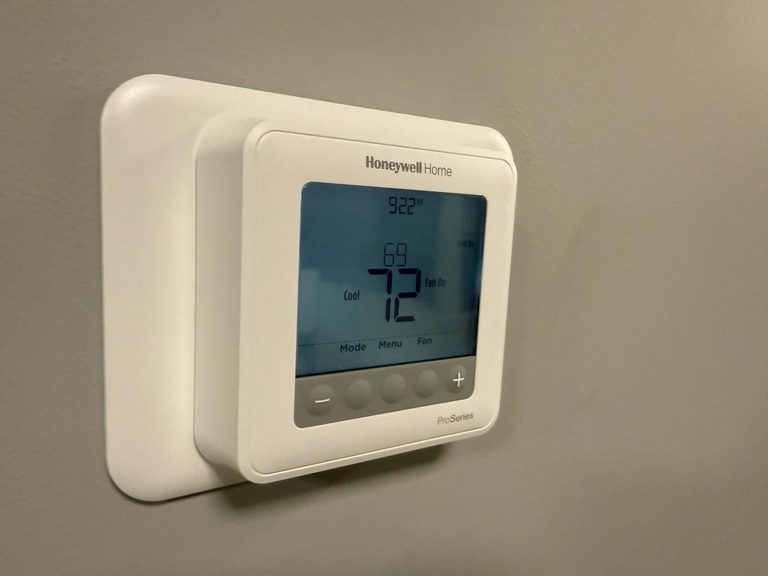
Homeowners and renters in Minnesota should be aware of a clear legal requirement that affects heating during the colder months. Under Minnesota Statute 504B.161, landlords must maintain a temperature of at least 68 degrees Fahrenheit in every living space of a rental unit from October 1 through April 30 each year. The rule applies to all rooms used for daily living, such as bedrooms, living rooms, kitchens, and bathrooms.
What the law covers
The statute is aimed at tenants who cannot control the heating system themselves. It does not apply to owners who set their own thermostat, but it does bind any landlord who provides heat as part of the rental agreement. The temperature standard is a floor, not a ceiling; landlords may set the thermostat higher if they wish.
Limited exceptions
The only recognized exception occurs when a utility company orders a temporary reduction in heat output for maintenance or safety reasons. In such cases, the landlord must promptly inform tenants of the reduction and restore normal heating as soon as the utility issue is resolved.
Additional landlord responsibilities
Beyond temperature, the law also requires landlords to keep the premises “reasonably efficient.” This includes installing or maintaining weather‑stripping, caulking, storm windows, and storm doors to help retain heat and reduce energy waste. These measures support both tenant comfort and broader energy‑conservation goals.
Why the rule matters for families
For traditional families and faith‑centered households, a warm home is essential for health, safety, and the ability to gather together during the long winter season. The 68‑degree minimum helps protect children, seniors, and anyone with health concerns from the dangers of cold indoor environments.
What renters should do
If you are a tenant and notice that your heating does not meet the legal minimum, you have the right to request remediation from your landlord. Document the temperature readings, communicate the issue in writing, and give the landlord a reasonable opportunity to correct the problem. Should the landlord fail to act, you may contact your local housing authority or seek legal counsel.
What landlords should do
Landlords should verify that their heating systems are capable of maintaining the required temperature throughout the heating season. Regular maintenance, timely repairs, and clear communication with tenants about any temporary reductions are essential steps to stay compliant with the statute.
Seasonal timing
The law’s effective period—October 1 through April 30—covers the typical Minnesota winter, when temperatures often dip well below freezing at night. Residents are encouraged to test their heating systems early in the season to ensure proper operation before the coldest weeks arrive.
Overall, Minnesota’s heating requirement reflects a commitment to safe, comfortable living conditions for renters across the state, aligning with the values of strong families and responsible community stewardship.
Original reporting: News Talk 1340 KROC-AM – News and Talk – Rochester News Radio — read the source article.