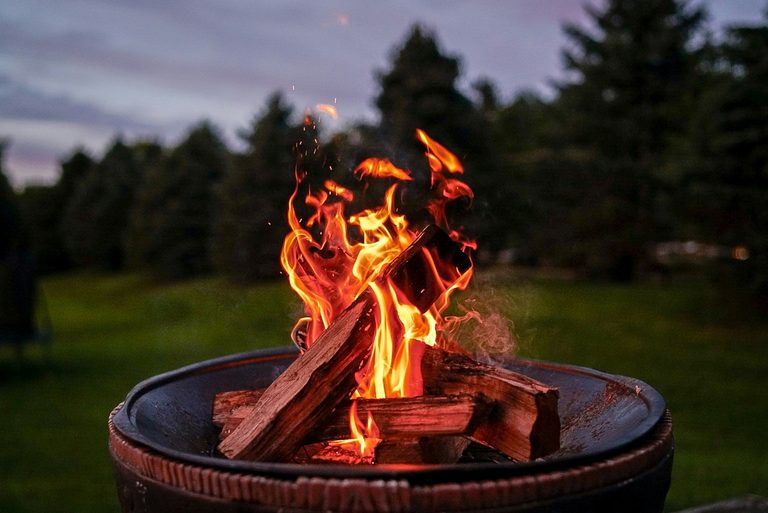
When a fire truck pulled up to a Rochester driveway last week, the homeowner thought it was a routine check. Instead, three firefighters arrived after a neighbor called 911 to report heavy smoke from a backyard fire pit. The homeowner had been burning fresh tree branches – a perfectly legal activity – but the visit turned into a reminder of Minnesota’s strict backyard‑burning rules.
What the law actually says
Minnesota Statute 88.171 lists eleven categories of material that are expressly prohibited from open‑air burning. The list includes:
- Any type of plastic, rubber, or synthetic material
- Paints, stains, varnishes, and other chemical coatings
- Pressure‑treated wood and lumber
- Automotive fluids, oil, and gasoline
- Household waste such as trash, paper towels, and diapers
- Construction debris, including drywall and insulation
- Animal carcasses and any food waste
- Fireworks or any explosive material
- Any material that has been treated with pesticides or herbicides
- Coal, charcoal, or any fuel that produces excessive smoke
- Any other material the fire chief deems a health or safety hazard
Violating these provisions can result in a misdemeanor charge, a fine, and even jail time, depending on the severity and repeat offenses.
Why the rules matter to families
Backyard fire pits are a beloved tradition for many Minnesota families, especially during the long, cold evenings that follow a hard‑working week. However, the state’s emphasis on clean air and public safety means that even well‑intentioned burns can become a legal issue if the wrong material is tossed into the flame.
For parents, the statute protects children from exposure to toxic fumes that can arise when plastics or chemically treated wood burn. For homeowners, it prevents costly fines and the embarrassment of a fire department visit that could have been avoided with a quick glance at the state’s fire‑burning guidelines.
How to stay compliant
Fire departments across Minnesota now distribute a simple flyer that outlines the prohibited items. Residents are encouraged to keep a copy in their garage or near the fire pit. Before lighting a fire, ask yourself:
- Is the material natural, untreated wood?
- Am I burning anything that could release hazardous chemicals?
- Do I have a clear, open space away from structures and vegetation?
If the answer to any of these questions is “no,” it’s best to err on the side of caution and discard the material in the trash instead of the fire pit.
What to do if you receive a warning
Most fire officials, like the Rochester crew who responded to the recent call, will issue a warning and provide educational material rather than a citation for a first‑time, minor infraction. Homeowners should take the opportunity to review the flyer, ask questions, and adjust their burning practices accordingly.
Should a citation be issued, the homeowner can contest it in court, but the burden of proof will rest on demonstrating that the material burned was not on the prohibited list. Legal counsel familiar with Minnesota’s environmental statutes can be helpful in such cases.
Community response
Neighbors have expressed relief that the fire department handled the situation with professionalism and used the incident as a teaching moment rather than a punitive one. Many residents appreciate the clear guidance, noting that it helps keep the neighborhood safe while preserving the cherished tradition of gathering around a fire pit.
For anyone unsure about what can be burned, the Minnesota Department of Natural Resources maintains an online resource page and a printable checklist. Keeping that information handy can prevent future misunderstandings and keep your backyard gatherings both enjoyable and lawful.
Original reporting: News Talk 1340 KROC-AM – News and Talk – Rochester News Radio — read the source article.