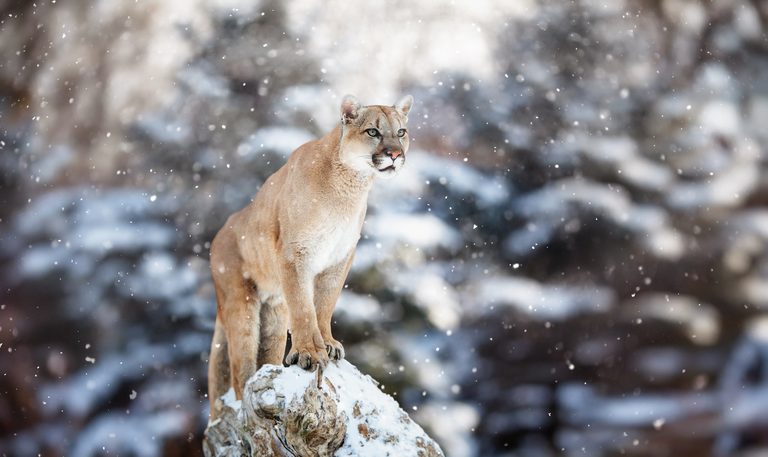
Fall hunting season has arrived across Minnesota’s north woods, and the Minnesota Department of Natural Resources (DNR) is counting on hunters to help track a surprising development: the first confirmed breeding cougar activity in the state in more than 100 years.
New Breeding Evidence
Earlier this spring, the Voyageurs Wolf Project, operating within Voyageurs National Park, captured multiple trail‑camera images of a female cougar and two kittens. The DNR reviewed the footage and verified that the cats were indeed breeding in northern Minnesota, a milestone that has not been documented since the early 1900s.
What This Means for Minnesota Wildlife
While most cougars observed in the region remain transient—originating from the Dakotas and farther west and passing through Minnesota—the presence of a resident mother and her young suggests a potential foothold for the species. The DNR notes that a self‑sustaining, native cougar population would require several breeding pairs establishing stable territories.
How Hunters Can Help
Hunters are uniquely positioned to assist wildlife officials. The DNR asks anyone who believes they have seen a cougar to contact the nearest wildlife office or conservation officer. When reporting, include the date, time, exact location, and a detailed description. If safe, a photograph can be invaluable for verification.
Key identification tips: cougars have tails nearly as long as their bodies, a relatively small head, and a tan coat with dark markings on the face and tail tip. Adult males typically weigh around 150 pounds, while females average about 100 pounds. Their overall length ranges from four to six feet.
Safety Guidelines
Encounters with cougars are extremely rare, but the DNR provides clear safety steps. If you see a cougar, face it directly, make yourself appear larger by raising your arms, and wave clothing or objects. Throw rocks or sticks if the animal approaches, and shout loudly. In the unlikely event of an attack, aim for the animal’s face and head with any available object, never run, crouch, or lie down. Give the cougar a clear escape route and stay above it.
Why Reporting Matters
Each sighting adds to a growing data set that helps DNR biologists understand cougar movement patterns, breeding success, and potential impacts on local ecosystems. Accurate reporting can guide future management decisions, ensuring that Minnesota’s wildlife resources are protected while maintaining safe hunting traditions for families and communities.
Looking Ahead
The DNR will continue monitoring the region with additional cameras and field surveys. As more information becomes available, officials may adjust guidelines for hunters and outdoor enthusiasts. For now, the department encourages all hunters to remain vigilant, report sightings promptly, and enjoy the season responsibly.
Original reporting: News Talk 1340 KROC-AM – News and Talk – Rochester News Radio — read the source article.