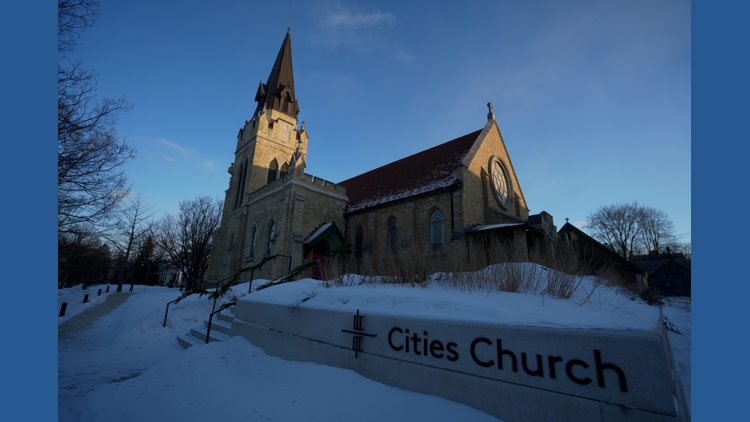
In St. Paul, Minnesota, a group of protesters who disrupted a church service in January will not face state charges, according to a recent announcement by St. Paul City Attorney Irene Kao. The decision comes despite ongoing federal civil rights charges against 39 individuals, including former CNN journalist Don Lemon.
The protest took place at Cities Church, where demonstrators interrupted a service by chanting slogans such as “ICE out” and “Justice for Renee Good.” The protest was in response to the fatal shooting of Renee Good, a mother of three, by a U.S. Immigration and Customs Enforcement (ICE) agent in Minneapolis. The protesters targeted the church after learning that one of its pastors was also an ICE official involved in the enforcement operations.
Balancing Rights and Legal Standards
City Attorney Kao stated that the evidence was insufficient to pursue state criminal charges under Minnesota statutes. She emphasized that while the right to protest and the right to religious freedom are both protected, the decision should not be seen as condoning unlawful behavior. “Balancing these equally important rights is paramount to our decision today,” Kao explained.
Despite the lack of state charges, federal charges remain in place, highlighting the seriousness with which the U.S. Justice Department views the incident. The federal case focuses on civil rights violations stemming from the disruption of the church service.
Community and Legal Reactions
Jonathan Parnell, the lead pastor at Cities Church, expressed disappointment with the decision not to pursue state charges. He argued that allowing such disruptions under the guise of protest could set a dangerous precedent for religious gatherings of all faiths.
Legal representatives for the church pointed out that while the protest did not involve physical violence or property damage, it still constituted a breach of the law by disrupting a religious service. They noted that several states, including Idaho, Louisiana, Oklahoma, and Kansas, have enacted laws making it a crime to disrupt worship services.
The incident has sparked discussions about the intersection of religious freedom and the right to protest, particularly in cases where the two rights appear to conflict. As the federal case progresses, these issues are likely to remain in the spotlight.
Original reporting: KGW Portland — read the source article.