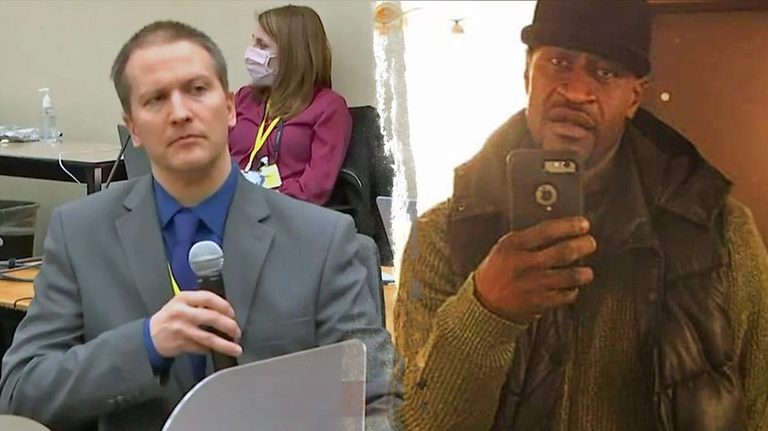
On Tuesday, attorneys for former Minneapolis police officer Derek Chauvin submitted a motion to the Minnesota Court of Appeals requesting a stay of his current appeal. The stay would allow the trial court to review a set of fresh procedural arguments that Chauvin’s defense says demonstrate the original prosecution violated his constitutional rights.
New procedural claims
The motion lists several alleged errors, including the alleged improper assignment of Attorney General Keith Ellison by Governor Tim Walz to prosecute the case, the failure to convene a grand jury, questions about the trial court’s jurisdiction, and claims of judicial bias. Chauvin’s lawyers describe these issues as non‑waivable “structural errors” that, if proven, could require the conviction to be vacated.
Background of the conviction
In April 2021, a Minnesota jury convicted Chauvin of second‑degree murder, third‑degree murder and second‑degree manslaughter for the death of George Floyd in May 2020. Court records show Chauvin knelt on Floyd’s neck for nine minutes and 29 seconds while Floyd was handcuffed and lying face down, leading to a fatal lack of oxygen to the brain.
Previous post‑conviction efforts
Chauvin’s legal team has pursued multiple post‑conviction avenues. In November 2025, they filed a petition for post‑conviction relief, which a state judge denied on May 1, 2026. Earlier, in June, the team filed an appeal challenging that denial. The current motion represents Chauvin’s third attempt to obtain relief from his murder conviction.
Legal context
Chauvin’s attorneys argue that the assignment of the state’s top prosecutor to the case violated his due‑process rights, a claim that raises questions about the separation of powers under the Minnesota Constitution. They also contend that the lack of a grand jury indictment and alleged bias on the part of the presiding judge constitute structural defects that cannot be waived on appeal.
State response
The Minnesota Attorney General’s office has been contacted for comment but has not yet responded. The Court of Appeals will consider the motion and decide whether to grant a stay, which would temporarily halt the ongoing appeal and send the case back to the trial court for further review.
Potential implications
If the stay is granted and the trial court finds merit in the new procedural claims, the conviction could be overturned or a new trial ordered. Such an outcome would have significant ramifications for the state’s criminal‑justice system and for ongoing public discussions about law‑enforcement accountability.
Regardless of the legal outcome, the case remains a focal point for national conversations about policing, due‑process protections, and the role of state officials in high‑profile prosecutions.
Original reporting: Fox News (HLL/CB) — read the source article.