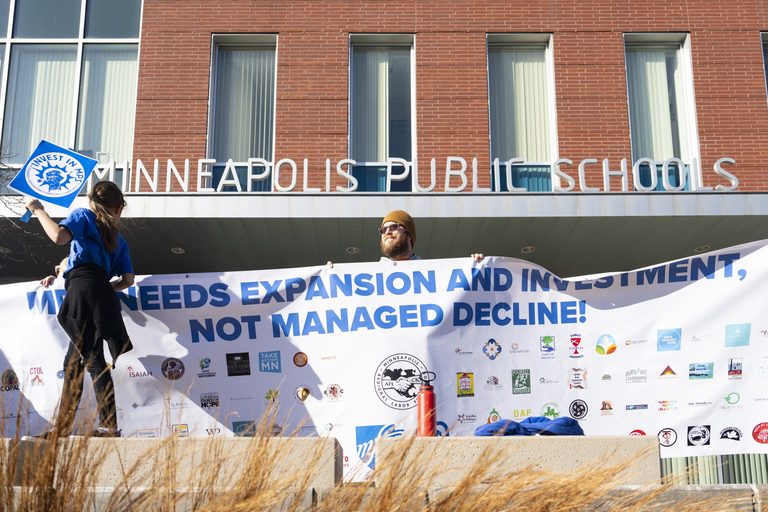
Three weeks after the start of the 2026‑27 school year, Minneapolis Public Schools confirmed a backlog of almost 700 students waiting for enrollment. District officials told the Sahan Journal that more than 450 new families have already been placed, and staff are continuing to work through the remaining applications as quickly as possible.
District response and priorities
In a statement, the district emphasized its commitment to placing students based on their top school choices and, when applicable, aligning placements with each child’s Individualized Education Plan. “We are excited that so many families are choosing MPS, even after the school year began,” the statement read.
Abdul Abdi, the school board’s treasurer, acknowledged that a temporary vacancy in the student‑placement office contributed to the delay. He said he expects the issue to be resolved before the end of the month, noting that Minnesota districts report enrollment numbers on Oct. 1 to determine state funding. “If somebody comes to you wanting to join schools, I see no reason why they’re not welcome and served immediately,” Abdi said.
Impact on families and students with disabilities
One parent, Michelle, shared her experience trying to enroll her sixth‑grade daughter, who has autism, ADHD and severe anxiety, in a preferred middle school. After months on a waitlist, the district placed her daughter in a different south‑side school that the family found too loud and overwhelming. Ultimately, Michelle enrolled her daughter in a small charter school, where she is now doing well.
Michelle expressed frustration that the district’s transformation proposals, which could close up to 16 schools, seem at odds with the stated goal of retaining families. “Looking at the transformation plan, more than anything else I’m just confused, because they say that retaining families is so important, but it doesn’t seem like that’s a priority of student placement,” she said.
A teacher who works with children on the autism spectrum warned that the backlog could disproportionately affect students with special needs. Under the district’s contract, the teacher should have a caseload of six students, yet three weeks into the year she has none. She worries that delayed enrollment will set vulnerable students up for failure, as they miss critical routines, social‑skill development and community‑building events.
Board candidate criticism and broader enrollment trends
School board candidate Shannon Gibney criticized the backlog as evidence that enrollment is not a priority for the district and that there is no clear plan to address it. She also highlighted that nearly half of district‑resident children enroll outside Minneapolis Public Schools, opting for charter, private or open‑enrollment options elsewhere.
Despite these concerns, district officials remain optimistic. They note that the enrollment backlog is largely composed of families who applied after the school year began or who are seeking transfers within the system. The district’s focus on family choice and special‑education compliance is intended to ensure that each child receives an appropriate educational setting.
Looking ahead
The district served about 28,000 K‑12 students last year, and current enrollment data for the 2026‑27 year have not yet been released. As the transformation proposals move through the board’s deliberations, officials say they will continue to prioritize timely placement, especially for students with disabilities, while evaluating the long‑term footprint of the district.
Community members are encouraged to stay informed about board meetings and to provide input on the transformation plans, which will shape the future of Minneapolis public education.
Original reporting: Sahan Journal — read the source article.