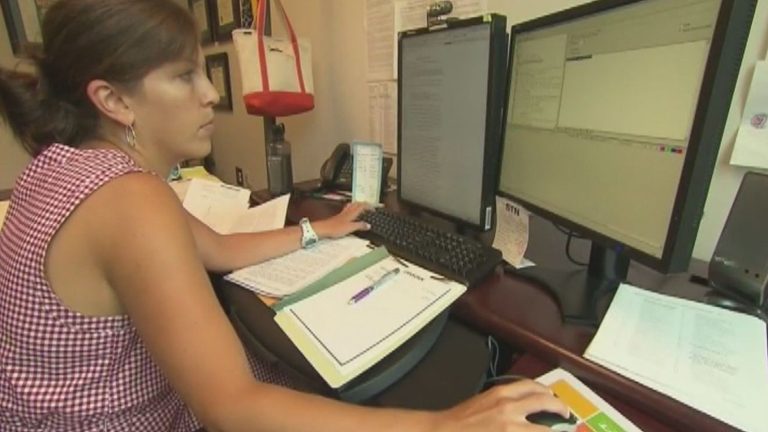
Educated, career‑focused mothers across the United States are reporting historically high levels of burnout, a trend some have labeled the “millennial mom crisis.” Perinatal psychiatric nurse practitioner Kimberly Meehan warned that many moms feel overstimulated and stressed beyond anything they have experienced before.
Survey Highlights Burnout Among Millennial Moms
A recent Motherly survey found that 41% of millennial respondents reported feeling burned out by motherhood either frequently or always in the past month. The study underscores a growing mental‑health challenge for women who entered the workforce with high educational attainment.
Personal Stories Illustrate the Struggle
Danielle Rivera, a former Navy veteran and registered dietitian, described how she once pursued a dream career while pregnant with her son, Thatcher. After her husband returned to active duty, Rivera chose to become a stay‑at‑home mother of two and now runs a small photography business on the side. “I grew up so career‑oriented. I didn’t even think about having kids or how it would fit into my life,” she said. “It took time to let go of those expectations, but I’m happier now.”
Molly Lazarus, U.S. director of the disability nonprofit Remarkable US, echoed similar sentiments. After earning a bachelor’s degree and climbing the professional ladder, she stayed in the workforce after her son’s birth. “Financially I couldn’t have afforded to stay home, but I think I would have regretted it,” Lazarus explained. “The burnout is real, but there’s a balance.”
Research Links Burnout to Household Cognitive Load
A 2024 study of 322 mothers with young children found that mothers who performed a greater share of household planning and organizing reported higher stress and burnout levels than those whose partners shared the mental load. The findings suggest that the invisible “cognitive workload” of managing a home can be as taxing as long work hours.
Expert Advice on Managing Stress
Meehan advises mothers to recognize that they cannot have everything at once. “You can have it all, just not at the same time,” she said. She recommends flexible work arrangements, setting realistic expectations, and seeking professional help when needed. “Check in with your values. They change after kids, and you need to prioritize what truly matters,” Meehan added.
Tracking apps, parenting websites, and social‑media influencers can add pressure, making it harder for some mothers to disconnect from expectations. Meehan encourages mothers to step back, limit exposure to relentless productivity messaging, and focus on personal well‑being.
What Communities Can Do
Local faith‑based groups, family‑oriented nonprofits, and employers can play a role by promoting family‑friendly policies, offering mental‑health resources, and fostering environments where mothers feel supported rather than judged. By acknowledging the unique challenges faced by millennial mothers, communities can help reduce burnout and strengthen families.
Original reporting: NBC 10 WJAR (Sinclair) – local — read the source article.