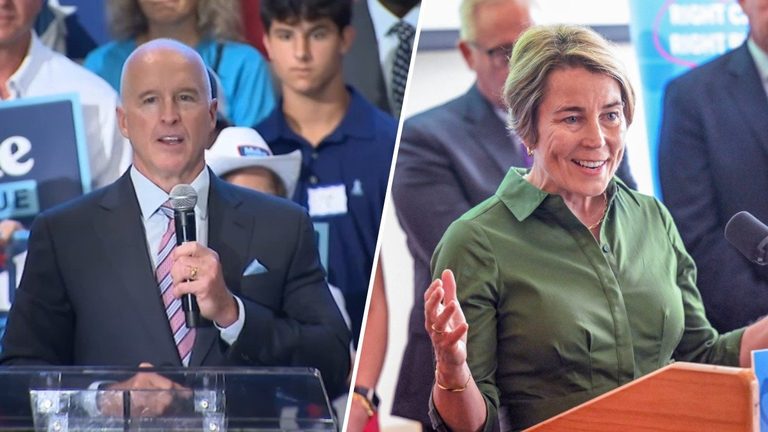
Boston, MA – On Tuesday night the Massachusetts Republican Party officially nominated former Abiomed CEO Mike Minogue for governor after he defeated businessman and ex‑MBTA head Brian Shortsleeve in the primary. The Associated Press called the race for Minogue at 8:44 p.m., and by 9:10 p.m. roughly 7 % of precincts had reported, showing Minogue with 73.6 % of the vote.
Local Roots, Military Service and Faith‑Based Leadership
Minogue, a 59‑year‑old West Point graduate and Desert Storm veteran, grew up in New Jersey as the youngest of four children. After a stint at GE HealthCare he led the Danvers‑based medical‑device firm Abiomed, which was later sold to Johnson & Johnson for $16.6 billion. He has served on Governor Charlie Baker’s Advisory Council on Veteran Services and founded MedTechVets, a nonprofit that helps veterans find careers in the medical‑device industry. Together with his wife Renee, he created the Michael & Renee Minogue Foundation to support faith‑based education, health‑care innovation, children and veterans.
Minogue describes himself as a pro‑life Catholic who will “uphold” current abortion laws and let the people of Massachusetts decide on any future changes. He also pledges to repeal or cancel all unfunded mandates, lean on natural gas rather than costly offshore wind, and protect the state’s “common‑sense” LGBTQ+ protections.
Campaign Finances and Strategy
Self‑funding has been a hallmark of Minogue’s campaign. Since October he has poured $15.8 million of his own money into the race, dwarfing Shortsleeve’s $526,800 cash‑on‑hand at the end of July. Minogue opted for a low‑profile media strategy, holding few events and refusing to debate Shortsleeve during the primary, instead promising a debate with Gov. Healey in the general election.
Party Unity and the Ticket
Shortsleeve quickly endorsed Minogue, urging the party to come together. The Republican ticket will pair Minogue with Shawn Oliver, who ran unopposed for lieutenant governor. Oliver praised Minogue’s leadership and pledged to help unify the party after a contentious primary.
Policy Contrast with Gov. Healey
Healey, who ran unopposed in the Democratic primary, has already begun drawing sharp contrasts. She criticized Minogue’s support for former President Donald Trump, noting his $1 million contribution and fundraising for JD Vance. Healey also labeled the conservative media outlet PragerU, which Minogue supports, as a “right‑wing propaganda machine” that spreads extremist misinformation.
While Healey’s campaign will likely emphasize her recent abortion‑rights legislation and her stance on immigration, Minogue has signaled a different approach. He opposes tariffs on medical‑device companies, supports Medicaid for all eligible residents, and does not agree with Trump’s claim that U.S. Immigration and Customs Enforcement is doing a “great job.” Nonetheless, Minogue remains a staunch Trump ally on many national issues, which he says reflects the values of many Massachusetts voters who feel unheard by the current administration.
Looking Ahead
Massachusetts has a history of electing Republican governors, from William Weld to Charlie Baker, and Minogue hopes to add his name to that list. With a Democratic super‑majority in the state legislature, the race will likely focus on energy costs, housing affordability and health‑care reform. Minogue’s “AAOK” slogan—Accountability, Affordability, Opportunity, Keeping communities safe—captures his promise to put families and faith first.
As the general election campaign ramps up, both candidates will vie for the sizable block of unenrolled voters who outnumber registered Democrats. The next few weeks will test whether Minogue’s outsider message and personal wealth can overcome the Democratic advantage in a state that has consistently voted against President Trump in presidential elections.
Original reporting: NBC10 Boston — read the source article.