Midway University, located in the heart of Kentucky’s horse country, is turning classroom learning into daily barn work for its equine program. Freshmen are assigned to one of three barns on the school’s 200‑acre working horse farm, where they feed, water, groom and check more than 30 horses for injuries.
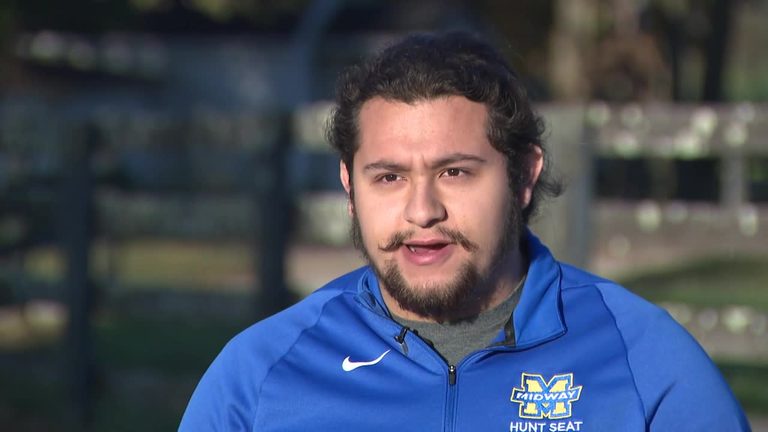
“My dad has been an exercise rider for almost 30 years and my mom has been an assistant trainer, groom, hot walker for roughly the same time,” sophomore pre‑vet major Alejandro Velasquez said. “Coming here and having this school be nice and open has really given me a sense of self. It’s helped me think for myself more than I would have in any other place.”
Assistant Professor Erica Jacquay explained that the hands‑on routine mirrors the daily work of the horse industry. “All of our freshmen students from the very first day they come to campus are actually assigned to one of our three different barns to help take care of the horses day‑to‑day, bringing them in, making sure they have food and water, grooming them, checking them for any sort of cuts and scrapes,” she said.
The program isn’t limited to barn chores. Midway fields two Intercollegiate Horse Show Association (IHSA) teams—a hunt‑seat team and a western team—that compete locally and nationally. “You don’t have to have your own horse,” Jacquay noted. “You actually ride the horses at the different barns you go to… so it’s kind of an even playing field for everybody.”
Students can steer their experience toward equine management, rehabilitation, business and sales, or continue on to pre‑veterinary studies. “We really do our best to incorporate either at our own farm or taking students to field trips, bringing in guest speakers to really get them immersed in the local industry,” Jacquay said.
Career pathways emerging from the farm
For the roughly 160 students enrolled in Midway’s equine programs, the goal is to translate hands‑on learning into a career. “We have multiple students that are currently in vet school. We have multiple students that are working at some of the big equine clinics locally as veterinary assistants or veterinary technicians. We have a ton of students that are also working more on the marketing communications side of things as well,” Jacquay added.
The university’s approach reflects a broader trend in Kentucky’s agricultural education: combining practical experience with academic study to keep the state’s horse industry vibrant. By giving students real responsibilities from day one, Midway helps preserve family‑run farms and supports the next generation of trainers, veterinarians, and business leaders who will sustain the region’s equine heritage.
As the program continues to grow, the university plans to expand its partnerships with local breeders, clinics and equestrian events, ensuring that graduates leave with both the skills and the network needed to thrive in the industry.
Original reporting: LEX18 Lexington (local) — read the source article.