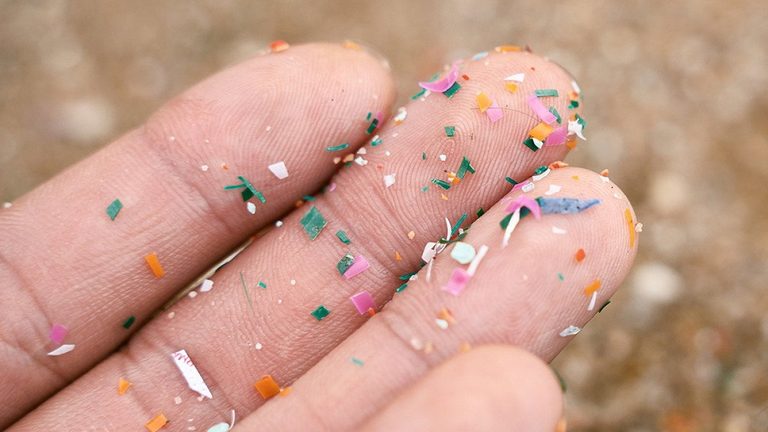
Microplastics have entered the human body, including the urinary system, raising concerns about their impact on bladder health. According to Aeroflow Urology, research is still in its early stages, but findings suggest microplastics and nanoplastics may induce inflammation and disrupt cell signaling.
Understanding Microplastics
Microplastics are tiny pieces of plastic, typically measuring up to 5 millimeters long, which can come from various products breaking down over time, such as water bottles, food packaging, clothing, and tires. Nanoplastics, 100 times smaller than the diameter of a human hair, may move more easily through human tissues.
These particles can end up in water, food, air, and the human body, potentially causing harm. The World Health Organization (WHO) has called for more research on the effects of microplastics, as there is currently not enough evidence to determine risks to human health.
Bladder Health and Microplastics
While there is no strong human evidence that proves everyday exposure to microplastics directly causes bladder disease, researchers are watching this area closely. A 2024 scoping review listed incontinence as a possible public health concern, and some studies have shown that microplastics and nanoplastics may contribute to inflammation and tissue stress in the urinary system.
Healthcare professionals, such as Dr. Jason Carter, suggest being mindful of daily exposures to microplastics and reducing unnecessary exposure when possible. This can be achieved by avoiding heating food in plastic containers, cutting back on single-use plastics, and carrying a reusable stainless steel or glass water bottle.
Symptoms like leaking urine, a sudden need to pee, or feeling like you have to go to the bathroom more often than usual should not be ignored. If you experience any of these symptoms, reach out to your doctor, who can help you identify the cause and recommend treatment options.
Original reporting: KEYT (Ventura/Santa Barbara) — read the source article.