Wayne County and the state of Michigan are providing detailed instructions to help voters with disabilities exercise their constitutional right to vote independently in the 2026 election. The guidance, posted by the Michigan Secretary of State, covers everything from applying for an accessible electronic absentee ballot to using the Voter Assist Terminal at the polling place.
Electronic absentee ballot for print disabilities
Voters who have difficulty reading printed ballots may apply for an accessible electronic absentee ballot. The ballot can be completed on a computer, printed, and mailed back to the local clerk, ensuring that the voter can review the choices in a format that works for them.
Voter Assist Terminals in every precinct
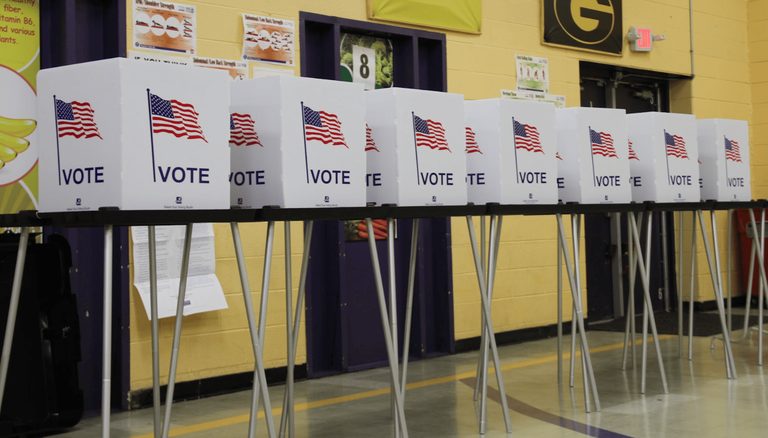
All polling places in Wayne County now feature a Voter Assist Terminal. The machine allows a voter to make selections on a touch screen or with adaptive equipment. Once the voter confirms the choices, the terminal prints a marked ballot that is counted exactly like any other ballot. This technology complies with the Help America Vote Act of 2002, which requires at least one accessible voting system at each polling place for federal elections.
Preparing to use the machines
The state has compiled a YouTube playlist that walks voters through the operation of the accessible voting machines. Voters can also contact their local election officials for personalized assistance or to request a demonstration before Election Day.
Polling‑place accommodations
Michigan law guarantees an accessible polling place and voting equipment. During early voting or on Election Day, a voter who cannot stand in line may request curbside voting. Election inspectors will bring a ballot to the voter’s vehicle, allowing the vote to be cast without leaving the car.
Inside the polling place, voters have the right to request an accessible voting machine and to receive instructions from election officials at any time, even after entering the voting booth. If a voter is blind, has a disability, or cannot read or write, they may choose any trusted person to assist them, provided that person is not a poll worker or election official.
Legal protections
The Voting Accessibility for the Elderly and Handicapped Act of 1984 (VAEHA) and the Help America Vote Act of 2002 (HAVA) together require that polling places be accessible and that alternate voting methods be offered when necessary. Voters who believe a polling place does not meet these standards can contact their local election official for verification or file a complaint with the Michigan Secretary of State.
How to get help
Questions or concerns can be directed to the Michigan Secretary of State’s office via an online form. Voters with disabilities may also call the Ombudsperson at 517‑335‑2730 or email the Bureau of Elections at [email protected]. For civil‑rights violations, a complaint can be filed with the U.S. Department of Justice’s Civil Rights & Civil Liberties office.
These resources aim to ensure that every Michigan voter, regardless of ability, can participate fully and privately in the democratic process, reflecting the nation’s commitment to liberty and equal opportunity.
Original reporting: BridgeDetroit — read the source article.