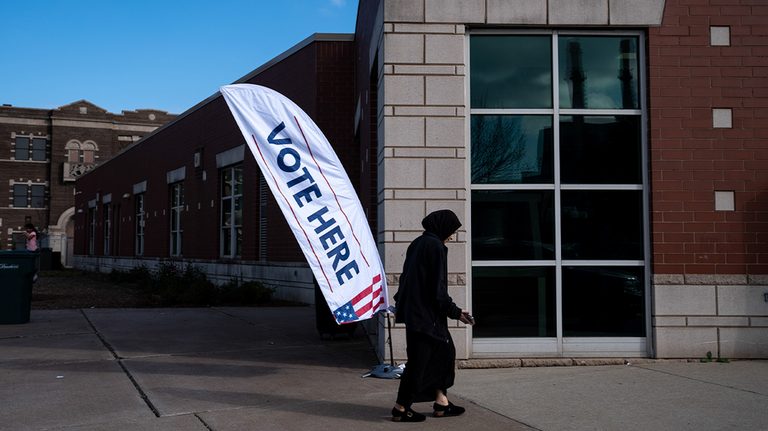
On November 5, Michigan voters overwhelmingly approved Proposal 2, a constitutional amendment designed to eliminate pay‑to‑play political donations from utility companies and government contractors. Supporters of the measure, organized as Michiganders for Money Out of Politics (MOP UP Michigan), celebrated the vote as a clear mandate to return power to the people and end the influence of special interests.
What Proposal 2 does
Proposal 2 adds two key provisions to the state constitution. First, it bars utility firms and contractors that do business with the state from making contributions to political candidates. Second, it creates reporting requirements for any person or organization that spends $5,000 or more on “electioneering communications” – public messages that mention a clearly identifiable candidate within 100 days of a general election or 30 days before a primary.
Those communications must be reported within ten days and include details such as dates, costs, candidates mentioned, vendors paid and donors who contributed more than $100 toward the message. The amendment also expands the definition of a political committee, allowing the state to treat groups that spend $500 or more on such communications as political committees.
Conservative response
The Mackinac Center for Public Policy, a free‑market think tank based in Midland, filed a federal lawsuit challenging the reporting and disclosure provisions. The Center argues that the language is overly broad and could ensnare journalists, nonprofit researchers and ordinary citizens who simply discuss public policy. “Michigan voters deserve the freedom to research, debate, and report on the policies that shape their lives,” said Patrick Wright, vice president of legal affairs at the Mackinac Center. He warned that the amendment could expose individuals to criminal penalties for merely mentioning a candidate.
Attorney Brett Nolan of the Institute for Free Speech echoed those concerns, noting that the measure lacks a clear exemption for neutral reporting, legislative voting records or policy research. While the amendment does retain an existing exemption for news stories, commentary and editorials, the Center contends that the new reporting requirements still create a chilling effect on free speech.
Supporters’ defense
Maura Cowley, campaign manager for MOP UP Michigan, said the organization is confident Proposal 2 will survive legal scrutiny. “The corporations bankrolling our opposition have been gearing up for this lawsuit since Proposal 2 first qualified for the ballot,” she said, adding that the measure’s passage reflects a “resounding mandate to end pay‑to‑play politics and put power back where it belongs – with the people.”
The lawsuit does not seek to overturn the entire amendment, only the electioneering‑communications reporting requirement and the expanded political‑committee definition as applied to the Mackinac Center’s own activities.
Legal timeline
According to the filing, the measure is set to take effect ten days after the official certification of the vote, no later than December 3. The Center’s complaint specifically cites the MichiganVotes project, policy scorecards, a neutral brief on Proposal 2, magazines, radio programs, podcasts and public‑policy events as examples of speech that could be swept up under the new rules.
Both sides agree that the core anti‑corruption intent of Proposal 2 – stopping pay‑to‑play donations – remains intact. The dispute centers on how the state balances transparency with the constitutional right to free speech.
What’s next
The case will move through the federal courts, where judges will weigh the state’s interest in disclosure against the First Amendment concerns raised by the Mackinac Center. Michigan voters and advocacy groups will be watching closely, as the outcome could set a precedent for how other states regulate election‑related communications.
Original reporting: Fox News (HLL/CB) — read the source article.