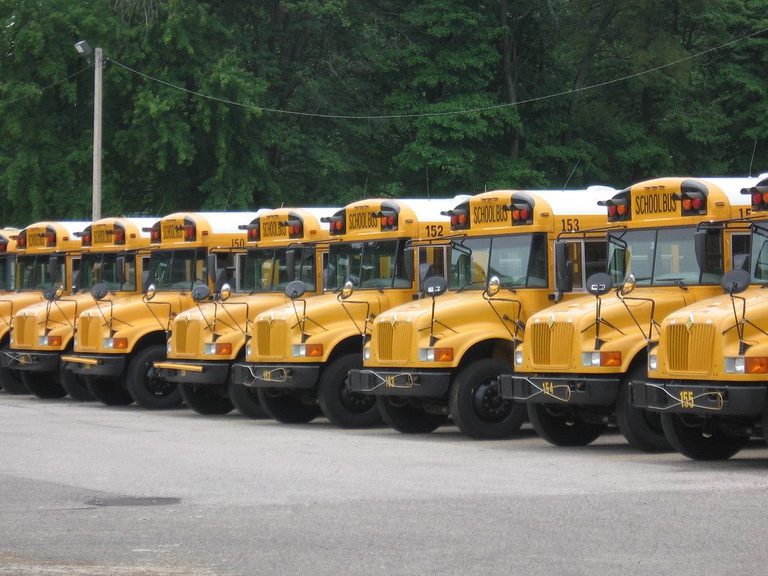
Michigan school districts are keeping a close eye on fuel prices as students return to classrooms, with transportation officials warning that continued increases could put additional pressure on already-tight school budgets.
Transportation Budgets Under Pressure
Districts that operate their own bus fleets can face significant costs when gasoline and diesel prices rise. For some schools, transportation budgets are already exceeding the assumptions made when spending plans for the 2026-27 school year were developed.
At Grass Lake Community Schools, Superintendent Dr. Nick Angel said the district’s transportation budget is slightly more than $1 million. School officials anticipated higher fuel expenses and built a 5% increase into the district’s transportation budget for the new school year. However, actual costs have already moved beyond that projection.
The concern extends beyond the transportation line of a school district’s budget. If fuel prices continue climbing, school officials could be forced to find additional money within their overall operating budgets, potentially putting pressure on other areas of school operations.
Impact on Families
Transportation is particularly important for districts with high bus ridership. Cutting routes or making other changes to contain costs could directly affect families who depend on school buses to get their children to and from school.
Grass Lake officials would face difficult decisions if higher fuel costs become a long-term trend. Other Michigan districts are facing similar concerns, although the impact varies depending on how each school system handles student transportation.
Original reporting: WOWO News/Talk (Fort Wayne) — read the source article.