Michigan lawmakers are proposing a new approach to addressing the state’s longstanding racial wealth gap: studying reparations. A three-bill package introduced by the Michigan Legislative Black Caucus would create an Office of Freedmen Affairs, establish a commission to study reparations and recommend remedies, and improve state data collection on descendants of enslaved people.
Addressing Disparities
Sponsors of the legislation stressed that the “reparative justice” bills would not necessarily result in cash payments. Instead, they are intended to examine how past and present policies have harmed communities and identify ways to address those inequities. State Rep. Jason Hoskins, one of the sponsors, said the legislation is really studying ways to address disparities in housing, education, and the criminal justice system.
The package has been sent to the House Committee on Government Operations, where the committee chair says the legislation isn’t one of his priorities. State Rep. Brian BeGole expressed concerns that the legislation could end up dividing people based on ancestry or race instead of bringing people together around common goals.
Racial Wealth Gaps
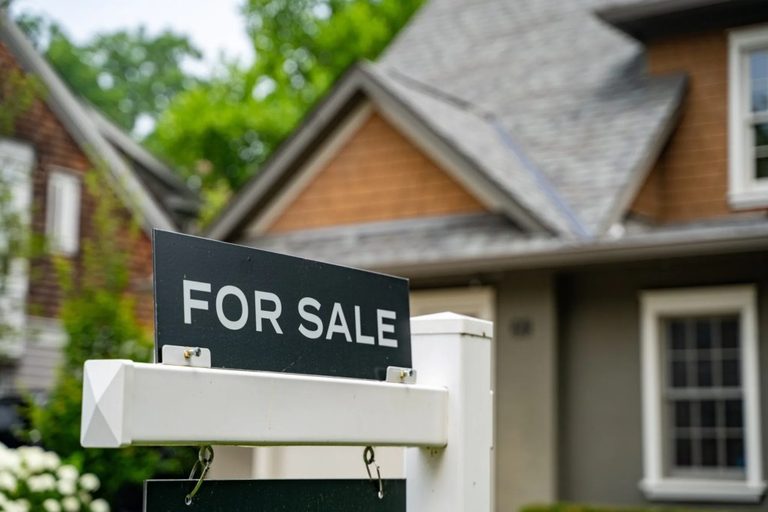
Supporters say the legislation is intended to examine how generations of discriminatory policies continue to affect Black Michiganders today. One of the clearest examples is homeownership: About 79% of white Michiganders own their homes, compared to 48% of Black residents, according to the National Association of Realtors.
The story is the same across the country. According to the Federal Reserve Bank of St. Louis, the US homeownership rate was 65.4% in the first quarter of 2026, but the rate was 75% for white households, compared to 44% for Black households.
The percentage of Black Michiganders owning a home has been on a steady incline since 2016, when less than 40% were homeowners. Even so, wealth disparities still exist. The Federal Reserve’s 2022 Survey of Consumer Finances found that, while racial wealth gaps narrowed slightly between 2019 and 2022, large disparities remain.
The typical white family held about six times the wealth of the typical Black family and five times the wealth of the typical Hispanic family, even as homeownership, stock ownership, and business ownership grew faster among non-white households during that period.
Reparations Efforts
The legislation comes just months after Detroit’s reparations task force provided recommendations to the City Council specifically addressing inequities in housing and economic development. Some of that task force’s recommendations include financial assistance for home repairs, grants for businesses that were displaced in the city’s Black Bottom neighborhood, and building more affordable housing units.
Michigan state lawmaker Hoskins said reparations could look like down payment assistance, creating tax credits that incentivize home ownership, or expanding existing programs for first-time homebuyers.
Original reporting: BridgeDetroit — read the source article.