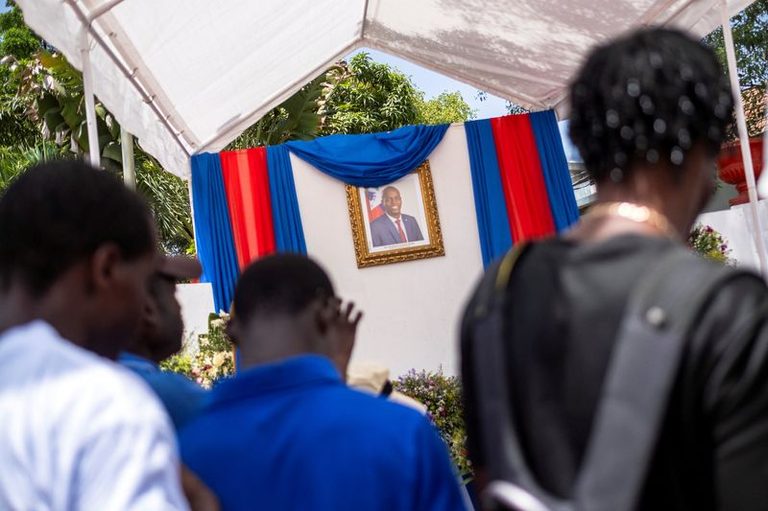
Miami, Fla. – A federal trial kicked off Monday in the U.S. District Court for the Southern District of Florida, where Haitian‑American pastor Christian Emmanuel Sanon, 67, faces charges of conspiracy to murder or kidnap former Haitian President Jovenel Moïse. Sanon has pleaded not guilty and could face life imprisonment if convicted.
Background of the case
Prosecutors allege Sanon helped recruit participants for the July 7, 2021 attack that left Moïse dead in his Port‑au‑Prince bedroom. The indictment says the plot was largely organized and financed in South Florida, where Sanon lived intermittently beginning in the early 2000s. Authorities say he hoped to assume Haiti’s presidency after Moïse’s removal.
Sanon was arrested in Haiti shortly after the assassination, and a search of his home uncovered boxes of ammunition, 19 passports and other items. He was transferred to U.S. custody in early 2023 and has remained detained pending trial.
Key witnesses and evidence
The prosecution plans to call several witnesses, including Moïse’s widow, Martine Moïse, who survived the assault. Other defendants already convicted in related cases have identified Sanon as a ringleader, though his lawyers argue that co‑conspirators later sidelined him in favor of other candidates.
Investigators also point to political and financial motives, suggesting the scheme aimed to install a new government and secure lucrative state contracts. Media reports have linked the plot to broader tensions involving drug and arms trafficking networks operating in the Caribbean.
Legal context and potential outcomes
Sanon faces multiple counts, including conspiracy to kill or kidnap a foreign official and illegal export of bullet‑proof vests to Haiti. If convicted on any count, the sentencing guidelines allow for life imprisonment.
The trial follows a series of earlier convictions in the sprawling international investigation, with five co‑defendants already serving life sentences. In August, U.S. authorities expanded the case, charging 30 additional suspects and bringing 18 more defendants from Haitian custody to the United States.
Implications for Haiti and the region
Haiti has not had an elected president since Moïse’s death, and the nation remains mired in political turmoil and gang‑driven violence. The upcoming December presidential election will be the first in a decade, but security concerns and entrenched corruption cast doubt on the credibility of any forthcoming vote.
While the trial is a federal matter, it underscores the role of South Florida as a hub for transnational criminal activity and highlights the importance of robust law‑enforcement cooperation between the United States and Caribbean partners.
Community response
Local leaders in Miami have expressed support for the judicial process, emphasizing that the rule of law must prevail regardless of the defendant’s background. Faith‑based groups in the area have also called for a fair trial, noting the need for justice to be served for the victims of the 2021 assassination.
Original reporting: Appleton, WI News Feed (HLL/CB) — read the source article.