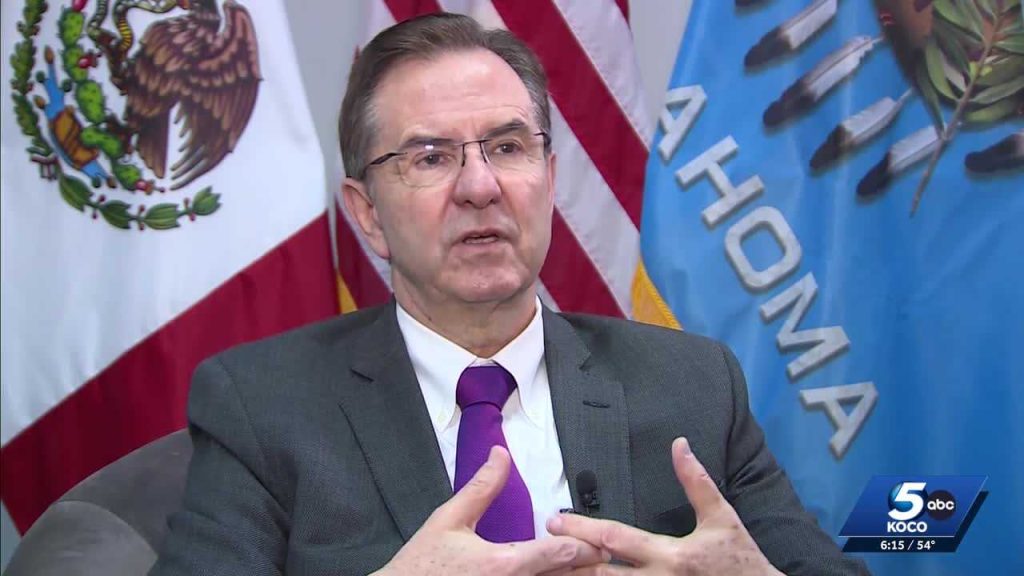
The ambassador of Mexico spoke directly to concerns about migration during an exclusive interview with KOCO, focusing on recent changes in Oklahoma and the strain those shifts have put on communities and services. The conversation touched on diplomatic expectations, the movement of people through states like Oklahoma, and how local leaders are reacting. This article breaks down what the ambassador said, why Oklahoma officials are alarmed, and what Republican policymakers are pushing for next.
In the KOCO interview the ambassador of Mexico acknowledged the visibility of migration issues but framed them largely as a consequence of complex, cross-border dynamics. That perspective landed poorly with many in Oklahoma who are seeing immediate effects in schools, hospitals, and law enforcement budgets. The ambassador emphasized cooperation and humanitarian concerns, which matters, but it does not replace firm state-level responses when federal strategy is absent or failing.
Oklahoma has been changing the way it approaches arrivals, and that shift is forcing conversations about responsibility and control. State lawmakers and sheriffs are rightly focused on preserving public safety and ensuring that taxpayers are not left to shoulder unexpected costs. Local officials want clear rules and swift mechanisms for verifying status and returning those who do not qualify to stay, rather than open-ended situations that sap resources.
From a Republican viewpoint, the ambassador’s reassurances are one piece of diplomacy, but they cannot substitute for solid enforcement at the border and clear interstate policies. When federal action is weak, states have a duty to protect citizens and to push for predictable, enforceable processes. Oklahoma leaders are demanding accountability and practical agreements that result in fewer border crossings and more clarity on deportations and repatriation logistics.
The ambassador also called for shared responsibility between countries and for humane treatment of migrants while appeals proceed. That’s a reasonable plea, yet it must be balanced with rigorous verification and a timeline for action. Diplomacy should support logistics—things like rapid identity checks, coordinated transport, and documented return plans—so states aren’t left improvising solutions that cost families and local taxpayers dearly.
Practical solutions should include better information sharing, expedited legal pathways for those who qualify, and clear repatriation agreements for those who do not. Oklahoma officials want to see Mexico step up on identity verification and accept returns in a timely fashion, and they want federal partners to enforce the law so state resources are not overwhelmed. Efficient, enforceable arrangements help prevent long-term strain on schools, hospitals, and social services that were never budgeted for these spikes.
The fiscal reality in Oklahoma is straightforward: surprise costs show up in county budgets, classroom sizes grow, and emergency rooms treat patients whose care was never planned into local spending. Republican leaders are emphasizing that compassion and security are not mutually exclusive—both can be achieved when there are clear rules, funded enforcement, and international cooperation that actually delivers results. Voters expect their officials to stop shifting costs and start solving the problem rather than passing the bill down the line.
What comes next will depend on whether diplomatic talk turns into enforceable agreements and whether federal policy backs state-level action. Oklahoma’s approach will likely press for stronger verification, clearer repatriation timelines, and cooperation from Mexico that goes beyond statements to operational steps. That is the position many conservatives are urging: firm borders, effective diplomacy, and state-level resolve to protect communities and taxpayers without surrendering basic humanitarian standards.