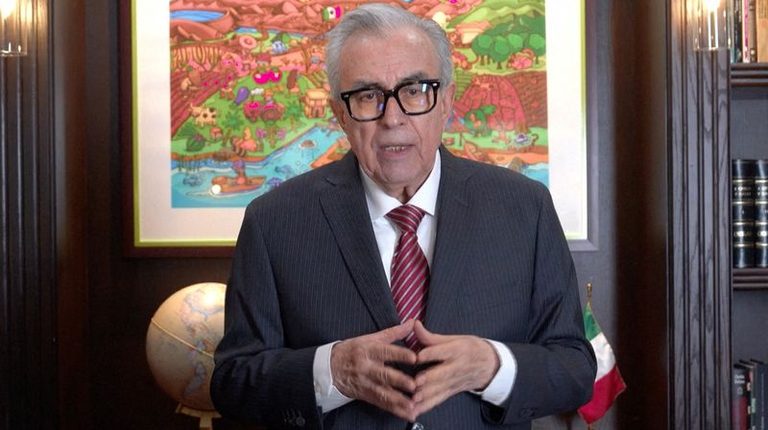
Mexico City – President Claudia Sheinbaum told reporters on Monday that it was “not appropriate” for Sinaloa Governor Rubén Rocha to resume his duties after the United States charged him with drug‑trafficking conspiracies. Sheinbaum said she had no prior knowledge of Rocha’s decision to return to the governor’s mansion on Friday.
Political fallout within Morena
Rocha, 77, is a member of the ruling Morena party. His brief return to office on Friday was met with sharp criticism from Sheinbaum and other party leaders, prompting him to step back on Saturday. The president indicated that the Sinaloa state congress is expected to name an interim governor while the controversy unfolds.
U.S. indictment and Rocha’s response
In April, U.S. prosecutors filed charges alleging that Rocha conspired with the Sinaloa Cartel to traffic illegal drugs into the United States in exchange for bribes and political support. Rocha has denied the allegations, describing them as a politically motivated attack. Sheinbaum previously questioned the strength of the U.S. evidence, but the governor’s brief return highlighted internal tensions within Morena over the high‑profile case.
Implications for state governance
The episode underscores the challenges facing Sinaloa’s leadership as it navigates both domestic political pressure and international legal scrutiny. With the state congress likely to appoint an interim governor, the administration will need to maintain stability while the legal process proceeds.
Broader context
The incident reflects ongoing concerns about cartel influence in Mexican politics and the role of U.S. law‑enforcement actions in shaping domestic political dynamics. It also raises questions about the constitutional mechanisms for removing or replacing a governor under such circumstances.
Original reporting: Appleton, WI News Feed (HLL/CB) — read the source article.