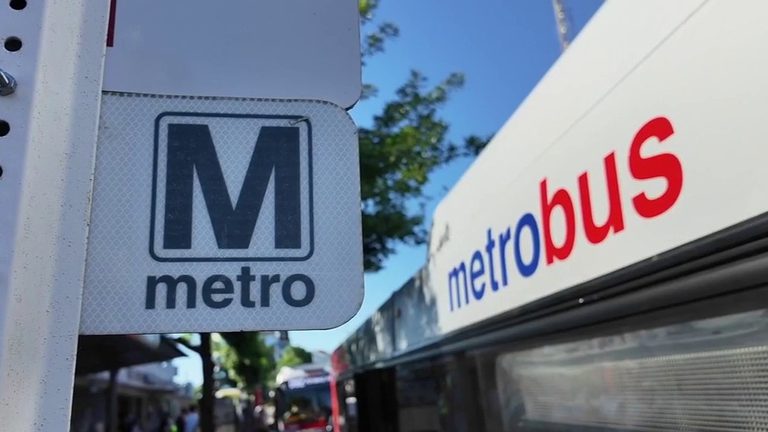
Washington, D.C. – Metro’s board is confronting a projected $130 million budget gap for the next fiscal year. Top officials described the shortfall as a “fiscal cliff” and warned that without additional revenue, riders could see an 11% fare increase and a scaling back of bus and rail service.
Financial pressures mounting
Metro General Manager Randy Clarke told board members that rising operating costs, inflation‑driven expenses, and a shortfall in funding from the District, Maryland, Virginia and Congress have created the deficit. A federal budget reduction of up to $60 million compounds the problem. Clarke also highlighted ongoing fare‑evasion, which continues to cost the system roughly $57 million annually despite recent improvements.
Potential fare hike and service reductions
One proposal on the table would raise Metro fares by about 11%. In addition, Clarke said the agency is evaluating cuts to bus routes, less frequent service, and shorter weekend rail hours. Board member Michael Sargent warned that the agency faces a “false choice” between higher fares and subsidies or slashing service, and emphasized that addressing the base budget and fare‑evasion is essential to avoid recurring crises.
Calls for regional funding commitment
Clarke urged the three regional partners to commit to a steady 3% funding increase and stop the annual “formula dance” that forces one jurisdiction to shoulder the shortfall of another. “We need our regional partners to commit to 3% and not go through this formula dance every year where the lowest brings down the other two because that’s unsustainable,” he said.
Ridership trends and cost realities
While Metro ridership on both bus and rail has risen, operating costs have outpaced revenue growth. The agency’s officials described the situation as a “flashing light on the dashboard,” indicating that immediate action is required to keep the system financially viable.
Next steps for the board
The board will review Clarke’s budget proposal at hearings beginning in February, with a final adoption deadline in April. Clarke assured that the agency will continue to run trains and buses while exploring a variety of cost‑saving measures, including potential cuts to infrastructure operations. He acknowledged that these steps may bring compliance challenges, but stressed the importance of maintaining essential transit service for the region’s commuters.
Community impact
Metro riders and local businesses rely heavily on reliable public transportation. An 11% fare hike could strain household budgets, especially for families and seniors, while service cuts could limit access to jobs, schools, and healthcare. The board’s decisions will shape the daily lives of Washington-area commuters for years to come.
Original reporting: Arlington County | FOX 5 DC — read the source article.