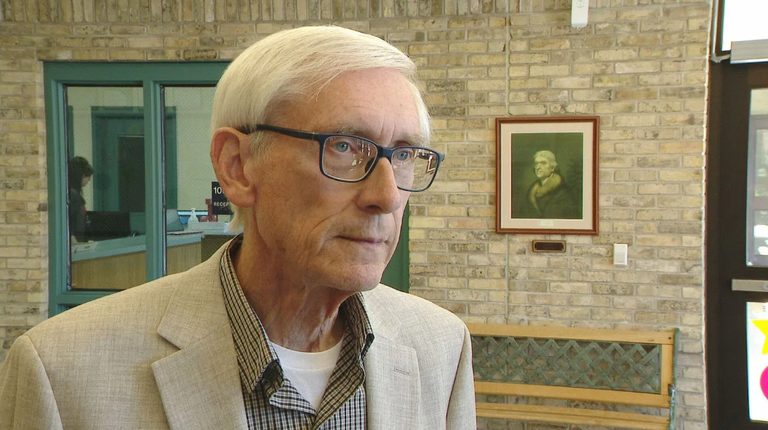
Madison, Wisconsin – Governor Tony Evers used his executive authority this week to grant 75 new pardons, pushing his cumulative total to 2,518 – a record for any governor in the state’s history. In a news release, Evers emphasized that offering a second chance to “hardworking members of our communities” is among the most rewarding aspects of his job.
What a pardon means for Wisconsinites
A pardon restores a person’s right to serve on a jury, hold public office, and obtain certain professional licenses. It does not erase the underlying court record, but it does signal that the individual has demonstrated genuine remorse and rehabilitation. Evers’ clemency criteria require that the applicant have completed their sentence at least five years ago and have no pending criminal charges. The governor also makes clear that individuals required to register as sex offenders are excluded from pardon eligibility.
Context of the governor’s clemency program
Since taking office, Evers has pursued a compassionate approach to criminal justice reform, arguing that many citizens who have paid their debt to society deserve an opportunity to fully re‑engage in civic life. The latest batch of pardons follows a recent commutation of 14 criminal sentences, underscoring the administration’s broader effort to balance public safety with mercy.
Local impact and community response
Families and community leaders across Wisconsin have praised the governor’s willingness to consider each case individually. “When a person truly turns their life around, they should be allowed to contribute positively to their community,” said a spokesperson for a Madison faith‑based outreach group. The group highlighted several pardon recipients who have since become mentors for at‑risk youth, illustrating the ripple effect of restored rights.
Looking ahead
Governor Evers will leave office in January when Gov.-elect David Crowley is sworn in. Evers, who announced he will not seek a third term, said the pardons reflect his long‑standing belief in redemption and personal responsibility. He encouraged Wisconsinites who meet the eligibility criteria to apply through the governor’s website, where detailed instructions and required documentation are posted.
How to apply
Applicants must submit a formal request, provide proof of sentence completion, and demonstrate a clean record for at least five years. The governor’s office reviews each petition carefully, weighing the individual’s conduct since release and any community support letters. For more information, residents can visit the official Wisconsin government portal dedicated to the pardon process.
While the governor’s clemency actions have drawn praise from many, some critics argue that pardons should be used more sparingly. Nevertheless, the record‑setting number of pardons underscores a consistent policy direction that prioritizes second chances for those who have genuinely reformed.
Original reporting: Appleton, WI News Feed (HLL/CB) — read the source article.