San Diego County is preparing for a November vote on Measure B, a citizen‑initiated sales‑tax increase that would raise the current 7.75 % rate to 8.25 %. The county auditor estimates the extra half‑cent will bring in $400 million to $450 million each year, with the revenue collected in perpetuity.
How the money would be allocated
According to the measure, up to 60 % of the annual haul – roughly $240 million to $270 million – would be directed toward health‑care and nutrition programs that have faced cuts under Trump administration‑backed reforms. About 17 % would support county health services for low‑income residents, while up to 7 % would fund food‑assistance programs.
Another 5 % of the funds could be used for in‑home health services for seniors and medically vulnerable adults, and 9 % for other affordable health services that historically rely on Medi‑Cal funding.
Tijuana River sewage crisis
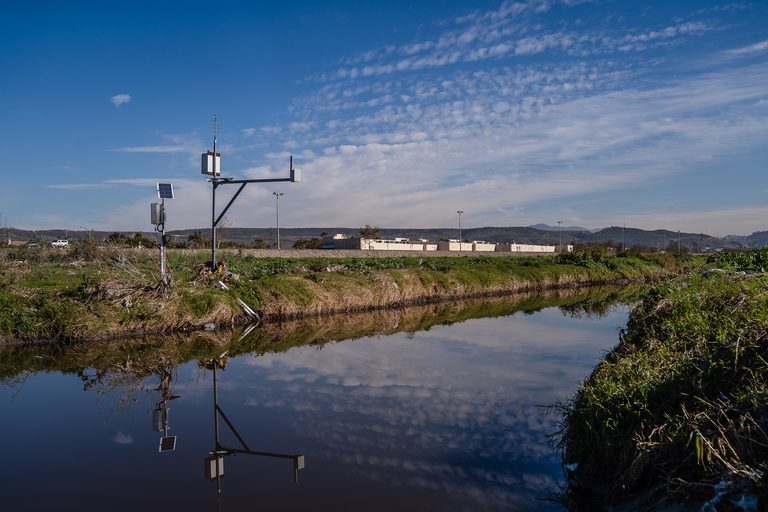
Measure B earmarks no more than 22.5 % – roughly $90 million to $100 million annually – for projects aimed at stopping sewage from flowing across the border into the Tijuana River. The money would primarily support infrastructure and engineering work, and could be redirected to other environmental mitigation if the state Water Control Board approves a different plan.
Child‑care and early‑learning support
Up to 22 % of the revenue – as much as $99 million a year – would be devoted to child‑care, development and safety initiatives. Eight percent would fund stipends for licensed providers serving infants and toddlers, another eight percent would fund vouchers for families, and six percent would support early‑childhood mental‑health services. The measure also includes $32 million to $36 million for child‑care vouchers under the First 5 San Diego program, targeting roughly 5,000 families on the waiting list.
Public‑safety enhancements
Seventeen‑point‑five percent of the funds – up to $79 million annually – would go to public‑safety projects. At least eight percent could help the fire‑prevention district hire more firefighters, improve wildfire‑prevention measures, upgrade equipment and add helicopters. Another eight percent would support sheriff’s deputies, regional 911 systems and related infrastructure.
Administrative costs and oversight
The measure sets aside at least $6 million – about 1.5 % of the total – for county staff salaries, benefits and contracts needed to administer the new revenue stream. A 12‑member citizen oversight committee, including representatives from labor, public safety, health, child‑care and environmental groups, would conduct an annual audit and report its findings to the Board of Supervisors.
Supporters and opponents
Supporters include the Service Employees International Union Local 221, child‑care advocacy group Children First San Diego, Cal Fire Local 2881, the San Diego Foundation, the Hospital Association of San Diego & Imperial Counties and the Surfrider Foundation. Campaign manager Alex Wilcox argues that a sunset clause would jeopardize long‑term projects such as wildfire prevention, 911 response and the Tijuana River solution.
Opposition comes primarily from the San Diego County Taxpayers Association, led by Mark Kersey. He contends that the measure locks in spending priorities forever, limiting voter control and accountability. Kersey also questions whether the Trump administration’s cuts will ultimately be reversed, suggesting the county might prefer flexibility to reallocate funds as needs change.
What voters need to know
If approved, the sales‑tax increase will stay on the books indefinitely, providing a steady funding source for the outlined programs. Voters should consider the long‑term fiscal commitment, the specific allocations, and the oversight structure when casting their ballots in November.
Original reporting: Voice of San Diego — read the source article.