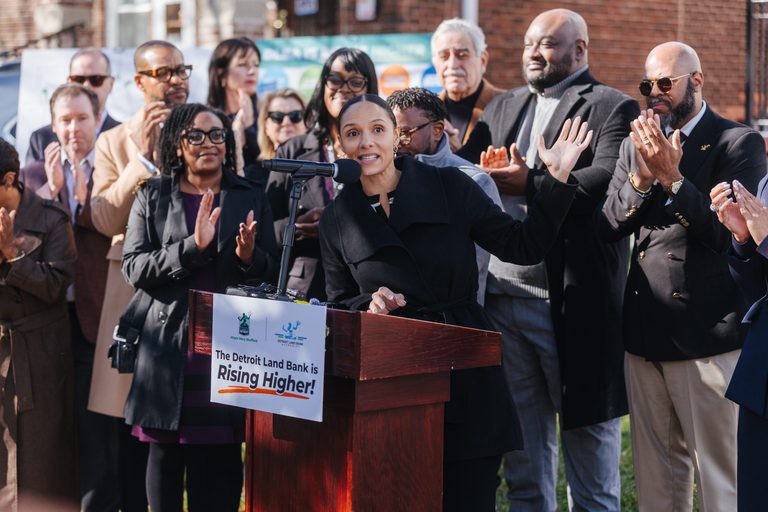
Detroit – Mayor Mary Sheffield and Detroit Land Bank Authority (DLBA) Director Tammy Daniels announced a comprehensive reform package on Nov. 9 aimed at easing the path to home ownership for Detroiters who have long struggled with the land‑bank process.
Key components of the reform
The plan centers on a resident‑first approach. It introduces free tours of distressed properties so buyers can assess needed repairs before committing, and it tightens buyer‑vetting to ensure purchasers have the financial capacity to complete renovations.
Two new grant programs will each provide $1.5 million. One program assists buyers with renovation costs, while the other offers emergency resources to occupants participating in the Occupied Buy‑Back program, giving them a clear route to ownership.
Mayor Sheffield also ordered the release of city‑imposed holds on 7,500 land‑bank parcels, making them available for sale. A new online tracking tool will display the status of all 56,000 DLBA parcels, including those held from sale and the reasons for any holds.
Improved services and new facilities
The DLBA will open a field office at the Butzel Family Recreation Center, establish a 72‑hour turnaround standard for customer‑service requests, and add after‑hours support for prospective buyers.
Small‑scale beautification projects, such as community gardens, will be processed through the DLBA website rather than requiring in‑person applications, streamlining access for block clubs and neighborhood groups.
Support for homeless residents
In partnership with the Homeless Action Network of Detroit, the land bank will allocate $6 million to restore 75 homes for temporary supportive housing, creating more than 170 beds for families experiencing housing instability. Executive Director Tasha Gray praised the initiative as a groundbreaking step toward ending homelessness in the city.
Changes to the Nuisance Abatement Program
The program will shift to a referral‑only model, accepting inputs only from residents, city departments, registered community groups, and City Council. It will no longer conduct proactive neighborhood surveys, and it will not apply to occupied homes.
Overall, the reforms aim to transform vacant and blighted parcels into productive assets, strengthen neighborhood stability, and give Detroiters clearer, faster access to home ownership.
Original reporting: BridgeDetroit — read the source article.