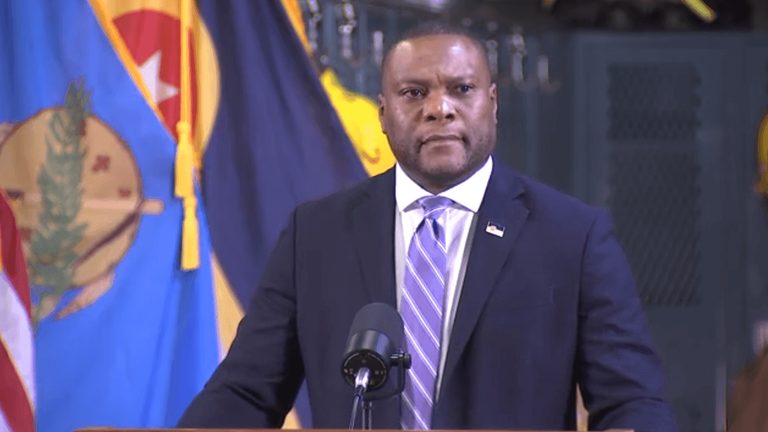
In a State of the City address delivered at the Tulsa Fire Department training facility, Mayor Monroe Nichols declared that Tulsa is on the brink of a new renaissance. He pointed to measurable improvements in public safety, homelessness services, economic development and affordable housing, and laid out priorities for the remainder of his administration.
Fiscal health fuels investment
For the first time since fiscal year 2022, city revenues have outpaced spending, according to Nichols. This surplus has allowed Tulsa to fund infrastructure upgrades, bolster public‑safety resources, and expand housing and homelessness programs.
Homelessness initiatives
Through the SafeMove Tulsa program, more than 800 individuals have been moved from the streets into supportive housing, and 25 encampments have been cleared. Community partners have added housing for over 1,000 additional people. The city’s first low‑barrier shelter, The Harbor, is slated to open soon with capacity for 180 residents. Over the past two years, Tulsa has invested roughly $12 million in homelessness services, and Mayor Nichols reaffirmed his three‑point focus: closing encampments, expanding shelter capacity and preventing evictions.
Public‑safety gains
The mayor reported a 17 % decline in homicides and noted that property‑crime rates have fallen since the recent restructuring of the police department. Law‑enforcement seized more than 1,000 firearms and nearly 1,000 pounds of illegal drugs, while achieving a 96 % clearance rate for violent crimes. Additional measures include the COPES 911 mental‑health response program, the creation of a Department of Emergency Management, and expanded youth‑violence prevention efforts. Nichols also highlighted domestic‑violence prevention, addressing the rape‑kit backlog, and prosecuting animal‑abuse cases as ongoing priorities.
Neighborhood and family focus
Over the last two years, 146 residents have completed the city’s Neighborhood Academy, and the Neighborhood Conditions Index Collaborative has been launched to guide targeted improvements. The administration aims to help 15,000 more children achieve economic mobility through better access to education, housing, transportation and workforce opportunities. Expanded pre‑K, youth internships, literacy programs and after‑school activities are central to this effort.
Economic development momentum
Tulsa County was the only one of Oklahoma’s three largest counties to record net employment growth between March 2025 and March 2026, according to federal labor data. The mayor cited nearly 5,500 jobs announced through city‑led economic‑development initiatives, including major investments from Park Aerospace, Quantum Space and Lufthansa Technik. Entrepreneurship support continues, and the Main Street network now includes the SoBo and Pearl districts.
Affordable‑housing progress
Since taking office in December 2024, Tulsa has completed or permitted about 4,400 housing units, including roughly 2,500 affordable units. The city’s Housing Impact Fund has raised $54 million and approved six projects expected to deliver 500 affordable homes. New incentives reduce building‑permit fees and waive certain nuisance‑abatement liens for eligible owners, while zoning and permitting processes are being streamlined to accelerate development.
Health and wellness initiatives
The Children’s Mental Health Initiative has served 713 children and families and trained more than 600 providers. A $17 million North Tulsa Wellness Initiative has been launched at two elementary schools, and a partnership with Humana expands health resources citywide. A dedicated team now provides behavioral‑health support and crisis intervention for individuals involved in the justice system.
Tribal partnerships and regional cooperation
Mayor Nichols highlighted collaborations with the Muscogee, Cherokee and Osage Nations on public safety, economic development, health and affordable housing. He also praised the partnership with Oklahoma City Mayor David Holt, emphasizing that Oklahomans must work together to place the state among the nation’s top ten in key areas.
Looking ahead
Reflecting on Tulsa’s history and the lasting impact of the 1921 Tulsa Race Massacre, Nichols reaffirmed the city’s commitment to healing and progress, urging Tulsa to become a model for other communities. He thanked city employees, staff and community partners for their contributions during his first two years in office.
Original reporting: KTUL 8 (Sinclair) – local — read the source article.