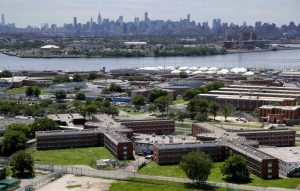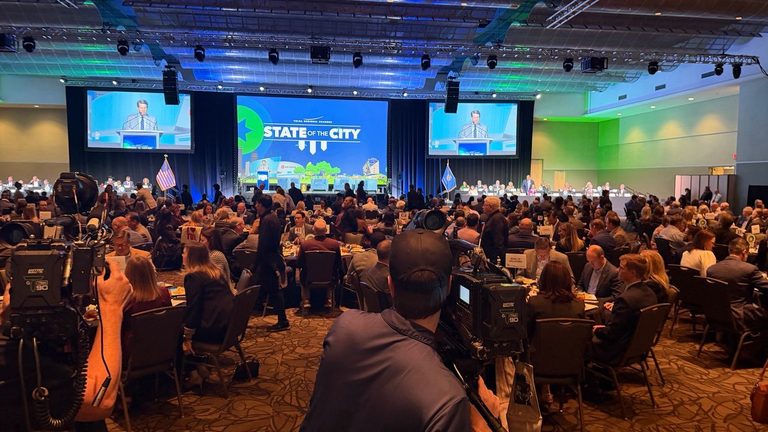
At the Tulsa Regional Chamber’s State of the City event on Nov. 19, Mayor Monroe Nichols told residents that downtown Tulsa is on the cusp of a major transformation. He highlighted Project Nexus – a mixed‑use development that could cost between $850 million and $900 million, with an overall downtown investment approaching $1 billion. The plan would cover more than 22 blocks, create housing, office, retail space, a new hotel, and a soccer stadium for FC Tulsa, and relocate the David L. Moss Criminal Justice Center and other social‑service providers off the downtown core.
According to The Oklahoma Eagle, developers led by Williams have submitted a preliminary application for a tax‑increment financing (TIF) district to fund the project. Phase 1 is slated for completion by 2030, and the mayor called the initiative “an inflection point for our entire city.” He warned that the opportunity could disappear if decisions aren’t made within the next year.
In a follow‑up interview with Fox23, Nichols said the effort extends beyond city government, involving corporate and philanthropic partners. He compared the scale of Project Nexus to historic Tulsa projects such as the Williams Tower, the BOK Center and ONEOK Field, arguing that large‑scale investment can spur additional development in surrounding neighborhoods.
The mayor also raised the prospect of a bond package to fund major downtown projects, with a goal of placing a proposal on the ballot in 2027. He emphasized that the city is exploring ways to partner with private investors without creating a new tax burden for residents and clarified that no renewal of the Improve Our Tulsa or Vision programs is planned for that year.
Economic momentum was a recurring theme. Nichols cited 5,500 jobs announced in 2026 tied to business expansions and new investments, noting that Tulsa County was the only one of Oklahoma’s three largest counties to record net job growth between March 2025 and March 2026. He also claimed local wage growth outpaced the national rate during that period, suggesting Tulsa is becoming an attractive place for both employers and workers.
Addressing the city’s convention‑center needs, Nichols warned that Tulsa lost approximately 150 conventions this year and could lose another 150 next year without a dedicated convention‑center hotel. He projected $1.6 billion in economic activity associated with the proposed hotel, echoing concerns raised by Tulsa Regional Tourism.
Additional industry highlights included a $65 million investment in aerospace, defense and advanced manufacturing from Park, underscoring the city’s diversification efforts.
Looking ahead, Nichols said the long‑term vision is to grow downtown’s residential population to 50,000 people. He urged residents to stay engaged, noting that conversations with city councilors, private partners and community members will shape any future proposals.
What’s next: The mayor indicated that a bond package could be placed on the 2027 ballot, though no final funding plan, election date or ballot language has been set. Residents can expect further public meetings and outreach as the city refines the Project Nexus TIF and evaluates financing options.
Sources: ktul.com, theokeagle.org, fox23.com