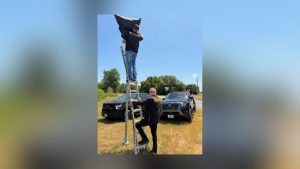
On August 3, the Mauldin Police Department in South Carolina announced the termination of Officer Ellie Anna Hammond, 24, following an internal investigation that found she misused the department’s Flock license‑plate reader system. The investigation, conducted with assistance from the South Carolina Criminal Justice Academy, determined that between March and July Hammond entered a vehicle’s license plate into the system 166 separate times.
Misuse of the camera system
Each of the 166 searches was logged as a legitimate police request—such as a warrant check, traffic infraction, or welfare check—but the academy’s records indicate those reasons were false. The true motive, according to the findings, was to track a vehicle belonging to Hammond’s former significant other.
Department response
Mauldin Police Department spokesperson declined to comment further, citing the matter as a personnel issue. No criminal charges have been filed against Hammond, and the department has not indicated whether any additional disciplinary action will be taken beyond the termination.
Background on the officer
Hammond joined the department’s Uniform Patrol division in June 2024 after completing required training and passing a psychological evaluation. Her employment lasted just over two years before the alleged misconduct came to light.
Broader concerns about license‑plate readers
License‑plate readers, like the Flock system used in Mauldin, have become a focal point in national debates over privacy, mass surveillance, and civil liberties. Critics argue that the technology can be abused for personal vendettas or unauthorized investigations, while law‑enforcement agencies maintain it is a valuable tool for public safety.
Recent reports have highlighted multiple instances where officers have used such systems to stalk individuals or conduct searches without proper justification. In response, the surveillance technology company behind Flock announced Thursday that it will implement platform changes aimed at reducing privacy concerns and preventing documented abuses.
Implications for the community
The incident underscores the importance of oversight and clear policies governing the use of advanced surveillance tools. For residents of Mauldin and the broader South Carolina community, it serves as a reminder that law‑enforcement agencies must balance public‑safety objectives with respect for individual privacy rights protected by the Constitution.
Local officials have not indicated whether the department will revise its internal protocols or provide additional training to prevent similar misuse in the future. The case also raises questions about how agencies across the state will monitor and audit the use of license‑plate readers to ensure they are employed only for legitimate law‑enforcement purposes.
Original reporting: WPBF West Palm Beach — read the source article.