Boston, Mass. – As the night progressed on Election Day, early returns showed that Massachusetts voters are poised to reject Question 7, the statewide initiative that would have amended zoning laws to permit homes on smaller parcels than currently allowed. With 94% of precincts counted, the “No” side leads by roughly 30,000 votes, tallying 1,238,237 against 1,209,381 for “Yes.”
What Question 7 Proposed
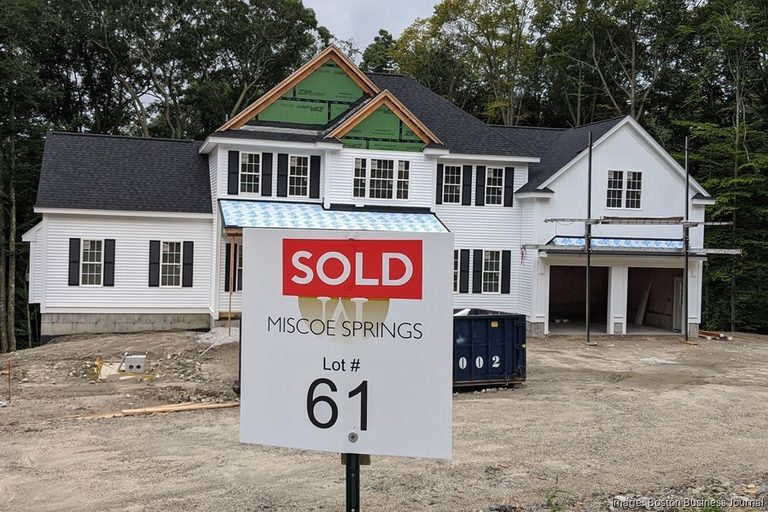
Question 7 sought to relax zoning restrictions statewide, enabling developers to build starter homes on smaller lots. Proponents argued the change would increase affordable housing options and help families achieve homeownership more quickly. Critics, however, warned that reducing lot size requirements could strain local infrastructure, diminish property values, and undermine community character.
Voter Sentiment and Early Results
The Associated Press reported that the gap between the two sides was nearly 30,000 votes as of 8 a.m. Thursday, with “No” votes leading. This makes Question 7 the closest contest among the nine ballot measures this year, but the trend suggests a clear defeat.
Broader Ballot Landscape
Massachusetts voters faced a record nine binding statewide questions, the most ever presented in a single election. The AP had already projected winners for most measures, leaving only Questions 5 and 7 undecided at the time of reporting. Voters have already affirmed several initiatives:
- Question 1 – Expands the public records law to cover the governor’s office and the Legislature, projected to pass with 85.9% support.
- Question 4 – Allows Election Day registration, leading with about 56% “Yes” votes.
- Question 6 – Creates a fund for water and land conservation financed by sales taxes on sporting goods, recreational vehicles and golf courses; supporters celebrated an apparent victory.
- Question 9 – Upholds the 2024 gun safety law, with roughly 67% voting “Yes”.
Key Voices on the Issue
Jordan Berg Powers, chair of Voter Rights MA, praised voters for preserving “our democracy” and rejecting what he called “jungle primaries” – a reference to the separate primary system rejected in Question 3. While Powers did not comment directly on Question 7, his remarks underscore the broader sentiment that many voters are wary of sweeping changes that could benefit special interests.
Former Republican Governor Charlie Baker and former Democratic Governor Deval Patrick had both endorsed Question 3, a separate measure on all‑party primaries, highlighting the bipartisan attention these ballot questions have attracted.
Implications for Housing Policy
Should Question 7 fail, the existing zoning framework remains intact, meaning local municipalities will continue to control lot‑size standards. This outcome aligns with concerns from community activists and some local officials who fear that statewide zoning changes could bypass local input and strain municipal services.
Advocates for affordable housing will need to pursue alternative strategies, such as encouraging municipalities to adopt voluntary density bonuses, expanding accessory dwelling units, or pursuing targeted state incentives that respect local control.
Looking Ahead
With the final count expected later tonight, Massachusetts voters are set to send a clear message: while they support measures that increase transparency, protect public safety, and fund conservation, they are reluctant to overhaul zoning rules without local oversight. The results will shape the conversation on how the Commonwealth addresses its housing shortage while preserving the character of its towns and cities.
For voters who missed the polls, the full results will be available on the Secretary of the Commonwealth’s website once all precincts are reported.
Original reporting: NBC10 Boston — read the source article.