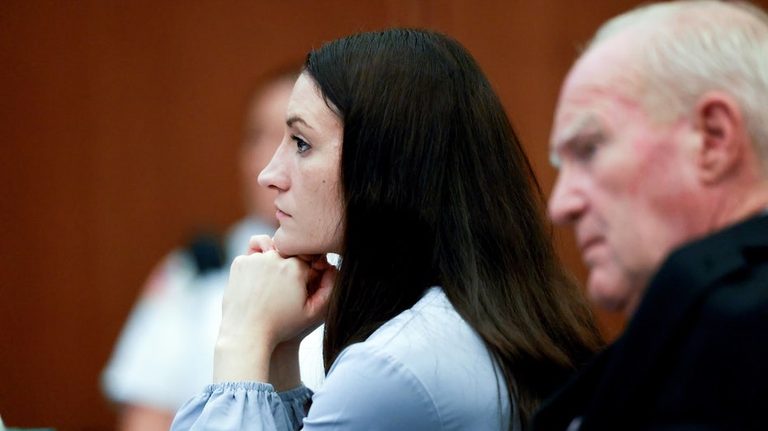
Prosecutors in Plymouth County, Massachusetts, are confronting a difficult choice as they consider a second trial for Lindsay Clancy, the former delivery‑room nurse accused of choking her three children to death with exercise bands in January 2023. The first trial ended in a mistrial after jurors deadlocked, with an 11‑1 split favoring a guilty verdict.
Legal hurdles and potential outcomes
Attorney Jonathan Turley, a Fox News contributor and professor at The George Washington University Law School, warned that securing a new jury willing to unanimously reject Clancy’s insanity defense could be nearly impossible in Massachusetts. “The question is whether they could ever get a jury, particularly in Massachusetts, that would unanimously vote against this defendant,” Turley told Fox News Digital.
Former federal prosecutor Neama Rahmani echoed the concern, noting that a plea agreement appears unlikely given the defense’s stance. Defense attorney Kevin Reddington has publicly stated he will not accept any deal that results in jail time, even if the charge were reduced to second‑degree murder, which carries the possibility of parole.
Defense strategy and possible bench trial
Reddington has suggested an alternative: if prosecutors were to reduce the charge to second‑degree murder, he would seek a bench trial—removing the jury altogether—in hopes the judge might impose probation and order mental‑health treatment rather than prison. “I would not ever, ever in a million years have that woman go to Framingham State Prison,” he told Fox News’ Bryan Llenas.
Judge William Sullivan continues to protect the identities of the jurors from the mistrial, ordering their names and questionnaires to remain sealed for at least ten days.
Next court date
Clancy, who survived a fall from a second‑story window and remains paralyzed, is scheduled to appear in court again on September 29. The district attorney’s office must decide whether to risk another deadlocked trial or pursue a plea that may not satisfy the victims’ families or the community.
The case highlights the challenges prosecutors face when mental‑illness defenses intersect with violent crimes, especially in a state known for its stringent jury unanimity requirements.
Original reporting: Fox News (HLL/CB) — read the source article.