Massachusetts’ 15 community colleges reported a 43.5% increase in enrollment since fall 2022, adding about 27,000 students, according to preliminary data from the state Department of Higher Education. The surge reflects the impact of the state’s tuition‑free community college program, which now serves residents of every age.
Governor and legislative leaders highlight local success
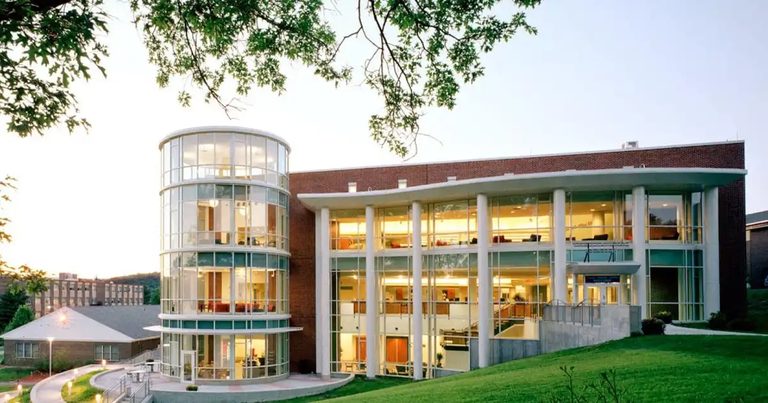
Governor Maura Healey, Lieutenant Governor Kim Driscoll, and Senate President Karen Spilka visited MassBay Community College in Framingham on Oct. 26. While touring nursing classrooms and health‑sciences labs, they praised the program for expanding educational opportunity and supporting the state’s workforce needs.
“We made community college free because everyone in Massachusetts deserves the opportunity to get a great education and a good‑paying job without taking on crushing debt. And it’s working,” Governor Healey said.
Enrollment numbers show steady growth
The Department’s fall 2026 enrollment estimate, presented to the Board of Higher Education on Oct. 20, puts total community‑college headcount at 89,464 students, up 3.9% from the previous fall. This follows an 11.4% jump in fall 2025, when enrollment reached 86,321.
MassBay alone has grown 59% since the program began and enrolled a record 5,555 students this fall, according to the governor’s office. Roughly half of the college’s students are taking advantage of the tuition‑free option.
Program details and eligibility
The state first eliminated tuition and fees for residents 25 and older in 2023, then expanded the benefit to all ages in 2024. The program covers full tuition and fees, and eligible students may also receive assistance for books and supplies.
To qualify, Massachusetts residents must not have earned a bachelor’s degree or more than one associate degree, must enroll in at least six credits per semester in an approved program, and must complete the FAFSA or MASFA.
Positive outcomes and areas for improvement
Data show more students returning for a second fall semester, with the share rising to 62.2%, and 40.3% now completing credits on schedule. Federal Pell Grant recipients at community colleges grew from about 22,000 in 2023 to 38,000 in 2025.
However, the Department flagged graduation rates as a challenge. The six‑year completion rate stands at 34.4%, with lower rates among Black and Hispanic or Latino students. Senate President Spilka acknowledged the need for continued focus on degree completion while celebrating the enrollment gains.
Local impact and student stories
Quinsigamond Community College in Worcester reported nearly 9,000 students in fall 2025, its highest enrollment since 2012. President Luis Pedraja noted that enrollment hovered around 6,000 during the pandemic, underscoring the program’s role in revitalizing campus populations.
Juan‑Carlos Giraldo, a MassBay student who returned to school after age 25, said tuition‑free classes will allow him to earn an associate degree in international business. He plans to graduate in December and has been accepted to UMass Boston for a bachelor’s degree in international relations.
Broader higher‑education trends
Undergraduate enrollment across Massachusetts public colleges and universities rose 2.2% this fall to nearly 176,000 students, marking the fourth consecutive year of growth. The nine state universities posted their first increase since 2013, while University of Massachusetts undergraduate enrollment dipped 0.6%.
State leaders remain confident that the tuition‑free community college initiative will continue to expand educational access, strengthen the workforce, and reduce student debt for families across the Commonwealth.
Original reporting: This Week in Worcester — read the source article.