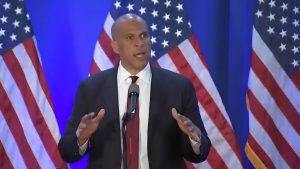
Maryland voters turned out on Tuesday to shape the state’s political landscape, delivering clear victories for incumbents and key ballot measures. Governor Wes Moore was re‑elected to a second term, reinforcing his administration’s focus on economic growth, public safety, and family‑centered policies. Moore’s win was highlighted by strong support in Baltimore and the surrounding counties, underscoring the governor’s appeal to both urban and suburban voters.
Redistricting Question 3 Passes
Statewide voters also approved Question 3, a constitutional amendment that establishes an independent redistricting commission to draw future legislative maps. The measure, championed by a coalition of civic groups, aims to reduce partisan gerrymandering and promote fairer representation. Election officials reported a clear majority in favor, marking a significant step toward more transparent electoral processes in Maryland.
Baltimore Ballot Measures
In Baltimore, voters approved a newly created baby‑fund initiative designed to provide financial assistance to families with newborns, reflecting the city’s commitment to supporting traditional families. The measure passed alongside several other local questions, including funding for public‑school improvements and community‑development projects. Local businesses contributed sweet incentives, such as free pastries and discounts, to encourage voter turnout, a strategy that appeared to boost participation at the polls.
Congressional Outcomes
On the federal level, Rep. Andy Harris secured re‑election in Maryland’s 1st District, maintaining his conservative representation in the U.S. House. Meanwhile, Rep. Jamie Raskin, a longtime Maryland delegate, is poised to become chair of the House Judiciary Committee, a position that will give him significant influence over legislative oversight and constitutional matters.
Implications for the State
The combined outcomes signal a continued endorsement of the current administration’s policies, particularly those that prioritize family stability, economic opportunity, and transparent governance. Governor Moore’s second term is expected to build on his previous initiatives, including tax incentives for small businesses and expanded parental‑leave options. The approval of the redistricting commission is likely to reshape future electoral maps, potentially reducing partisan bias and fostering more competitive races.
Local leaders praised the voter turnout, noting that the sweet incentives offered by Baltimore businesses helped bring community members to the polls. The baby‑fund measure, in particular, was highlighted by family‑advocacy groups as a tangible step toward easing the financial burden on new parents, aligning with the state’s broader commitment to traditional family values.
Overall, the election results reflect Maryland’s blend of progressive reforms—such as the redistricting commission—and steadfast support for conservative‑leaning representatives, illustrating a nuanced political environment that balances change with continuity.
Original reporting: Baltimore Fishbowl — read the source article.