Marion County, Indiana, is confronting a looming loss of critical problem‑solving courts after the Indiana Department of Correction reduced a roughly $600,000 grant that funded drug, reentry and veterans courts. The cuts put at risk the county’s ability to provide wrap‑around mental‑health, substance‑use and reentry services that keep people out of jail.
How the courts help
Problem‑solving courts such as the psychiatric assertive identification and referral program pair legal oversight with mental‑health treatment, housing assistance, employment support and financial aid for transportation and work uniforms. Participants are screened, drug‑tested twice weekly, and meet regularly with a case manager, public defender and treatment providers. Successful graduates have their cases dismissed and expunged after 60 days, removing criminal records that can block housing and jobs.
Personal stories illustrate impact
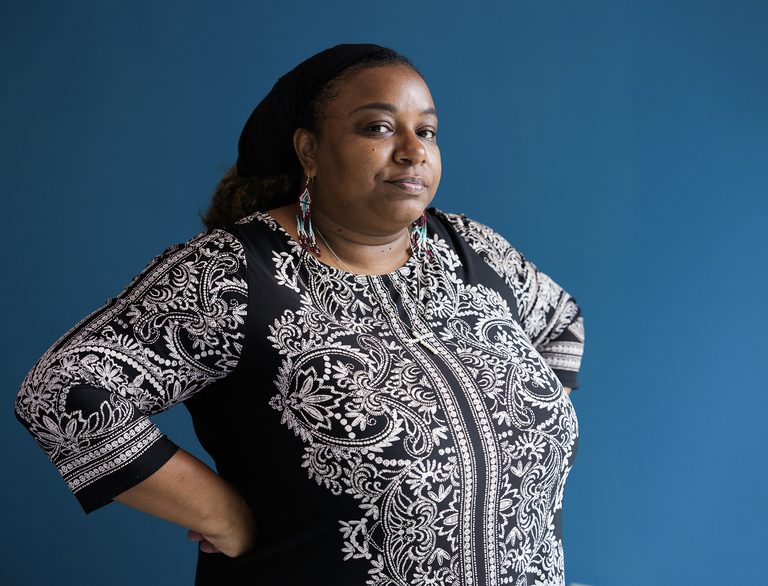
Aprili, a Black woman and local artist, spent two and a half months in jail after a public manic episode. Assigned to the psychiatric court in May, she says the program has helped her manage medication, showcase her writing and avoid a permanent criminal conviction. Without the court, she fears she would have faced an unfair trial and a harsher future.
Daniel Higgs, who served time for robbery and a long meth addiction, credits the court with saving his life after a relapse landed him back in jail in October 2025. He completed the program within two months, gaining the tools to stay sober and give back to his community.
Funding cuts and future outlook
Superior Court Judge Amy Jones, who oversees the mental‑health courts, notes that the courts allow judges to learn about participants’ families and offer praise that motivates progress. Ray Casanova, Marion County’s chief public defender, argues that treatment courts are far more cost‑effective than incarceration, reducing jail overcrowding and taxpayer expense.
While the state’s Office of Court Services will continue to fund the veterans court through 2027, the reentry and drug courts have stopped accepting new applicants as officials plan to wind them down. Judges remain hopeful that funding could be restored by 2028, but the uncertainty threatens the continuity of services for dozens of residents.
What’s at stake
Without these courts, individuals with mental‑health challenges or substance‑use disorders may return to the criminal‑justice system, increasing incarceration rates and community costs. The courts also provide vital financial support for transportation, sober‑living housing and work attire—resources many participants could not otherwise afford.
Community advocates urge state legislators to reconsider the grant reductions, emphasizing that problem‑solving courts embody a compassionate, fiscally responsible approach to public safety that aligns with family values and individual liberty.
Original reporting: Mirror Indy — read the source article.