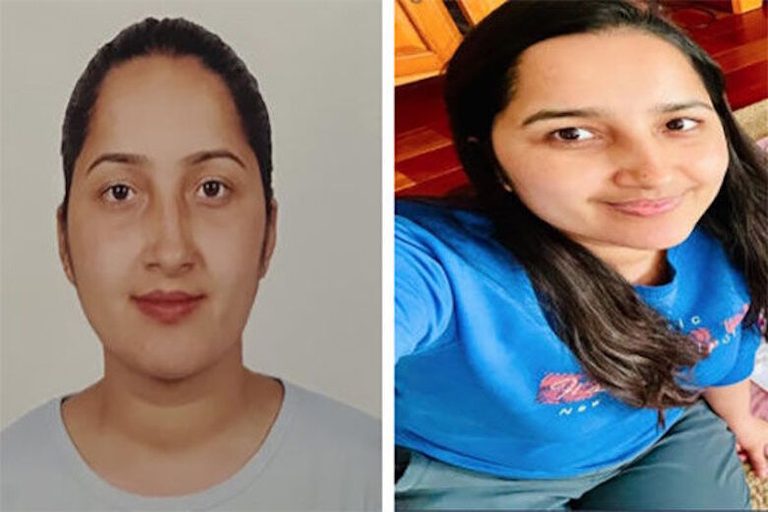
Manassas Park, Va. – The defense began presenting its case this week in the murder trial of Naash Bhatt, the man accused of killing his wife, Mamta Kafatt, in July 2024 and disposing of her remains at multiple trash sites. The trial, now in its second week, has focused on Bhatt’s personal history and his relationship with the victim.
Testimony on a turbulent past
Bhatt, who grew up in Nepal, told jurors about a childhood marked by conflict. He recounted being abducted by Maoist rebels as a teenager during the country’s civil war, describing forced labor that included “carrying water and wood for them.” He also said he suffered physical violence and sexual abuse while held by the rebels.
After the war, Bhatt built a successful business in Nepal and later won a U.S. diversity‑visa lottery. He moved to Virginia, taking jobs in pest control, retail and other fields while establishing a new life.
Marriage and marital strife
Bhatt testified that he met Mamta online after a planned marriage in Nepal was called off over cultural concerns involving a horoscope reading. He described the couple as “very close” and said he got along with her family. However, he acknowledged that the relationship changed in early 2024, with conversations becoming strained and arguments over divorce surfacing.
When asked whether he had been “a little emotionally cruel” to Mamta, Bhatt answered “Yes.” He also admitted that he did not notice or respond to signs of mental‑health struggles she may have been experiencing, saying, “Not really.” He maintained that he never physically harmed his wife, stating, “I am not that type of person.”
Prosecutorial evidence
The prosecution has shown video of Mamta calling police months before her disappearance, alleging that Bhatt had taken her documents. No body or human remains have been recovered, leaving the case largely circumstantial. Bhatt has pleaded not guilty, and prosecutors have not yet cross‑examined him.
Family testimony
Defense attorney Tracey Lenox questioned Bhatt about statements from Mamta’s brother, Maresh Kafle, who testified that he did not like Bhatt and expressed concern about the marriage. Bhatt responded, “I did not knew that, but now I know that,” indicating a lack of prior awareness of the brother’s objections.
Bhatt also testified that the couple suffered two miscarriages before having a daughter, and that the marriage experienced periods of reduced communication and emotional distance.
Next steps
The trial will continue with the prosecution expected to present its own witnesses and forensic evidence. The jury will ultimately decide whether the circumstantial evidence is sufficient to convict Bhatt of murder and related charges.
Original reporting: Alexandria, VA News – WTOP News — read the source article.