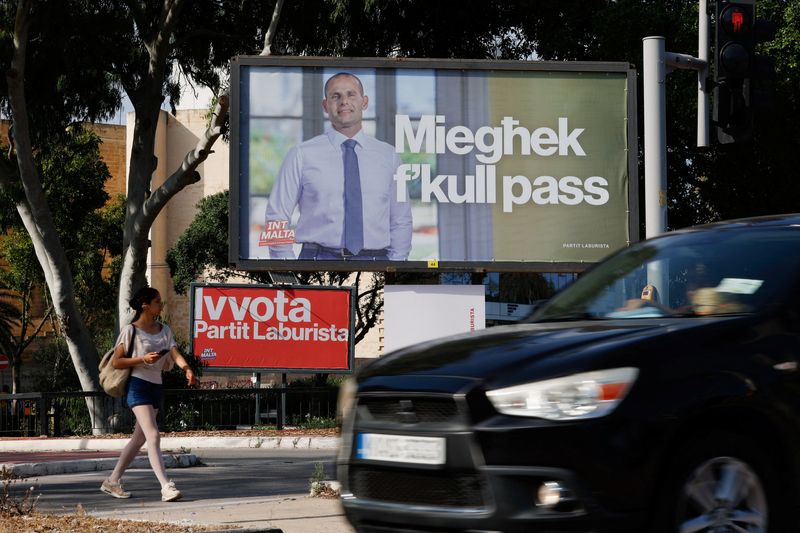
In Malta, voters are heading to the polls for parliamentary elections, with the ruling Labour Party poised to secure a fourth consecutive term. Prime Minister Robert Abela initiated the snap election, citing future challenges for the Mediterranean island due to the uncertain international climate.
Economic Stability and Challenges
Malta’s economy has been a standout performer within the European Union, boasting a 4% growth last year, low inflation, and negligible unemployment. The country has maintained frozen electricity and fuel prices for nearly a decade, making them the lowest in Europe. However, concerns loom over potential inflation spikes due to the ongoing conflict in the Middle East, which could affect Malta’s import-reliant economy and tourism sector as aviation fuel prices rise.
Political Landscape
Opinion polls consistently show the Labour Party on track for a comfortable majority, continuing its winning streak from 2013, 2017, and 2022. Despite six political parties being on the ballot, only Labour and the opposition centrist Nationalist Party have historically secured parliamentary seats since 1966. The Nationalist Party, under new leadership by Alex Borg, argues that the robust economy has not improved the quality of life for many citizens.
Social Concerns
The past decade has seen a significant influx of migrant workers, raising issues around rising rents, overcrowding, and pressure on infrastructure and health services. These social challenges have become focal points in the election discourse.
Election results are anticipated around midday on Sunday, with the Labour Party’s campaign focusing on economic strength, promising competence and stability for Malta’s future.
Original reporting: Appleton, WI News Feed (HLL/CB) — read the source article.