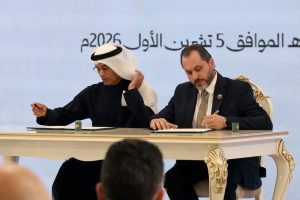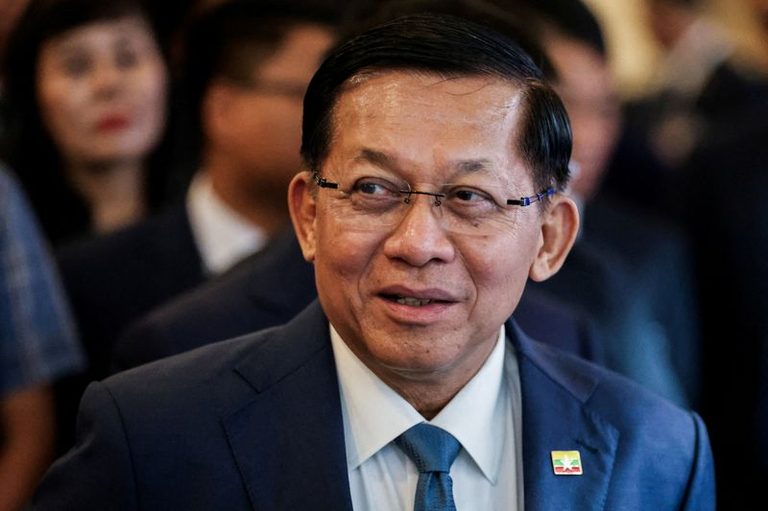
KUALA LUMPUR — Myanmar’s junta chief‑turned‑president Min Aung Hlaing is scheduled to arrive in Malaysia on Wednesday for a two‑day visit that includes talks with Prime Minister Anwar Ibrahim. The meeting comes as Malaysia moves forward with a plan to repatriate thousands of Myanmar nationals, a move that has drawn criticism from the United Nations and human‑rights groups.
Malaysia’s stated goals
In a statement released Tuesday, the Malaysian government said the visit “provides the prime minister with an opportunity to sustain his direct engagement with Myanmar.” Key bilateral issues will focus on the “voluntary, dignified and safe repatriation of Myanmar nationals of all ethnic groups who have been in Malaysia illegally.”
Background on the Myanmar leader
Min Aung Hlaing seized power in a 2021 military coup that sparked a nationwide civil war, killing an estimated 100,000 people and displacing more than 3.5 million. He later assumed a civilian title after a widely criticised election that allowed him to remain in control. Since becoming president in April, he has visited several ASEAN members and other major powers, seeking to rebuild diplomatic ties after being excluded from ASEAN summits.
Domestic pressure in Malaysia
Malaysia has faced growing pressure over its treatment of undocumented migrants and refugees, especially Rohingya Muslims who fled a brutal 2017 crackdown in Myanmar’s Rakhine state. Prime Minister Anwar recently said on a podcast that he would invite Min Aung Hlaing for an official visit if Myanmar agreed to accept the return of thousands of Rohingya refugees. “Under pressure to send refugees back, Anwar needs Naypyitaw’s cooperation, and a visit is the price,” said Richard Horsey, senior Asia adviser at the International Crisis Group.
Repatriation numbers and concerns
According to Anwar, Malaysia has deported around 10,000 Myanmar nationals since January, and Myanmar authorities have assured that returnees will not be harmed. The government maintains that the repatriations are strictly voluntary. However, the UN has warned that people sent back to Myanmar may face serious risks, including forced conscription and renewed violence.
Ongoing conflict in Myanmar
Despite repeated calls for an end to the fighting, the civil war continues. Recent airstrikes by the Myanmar military in Rakhine state killed at least 58 people and injured dozens more, including civilians at a busy market. The attack was the deadliest since a December hospital bombing and drew condemnation from UN Secretary‑General António Guterres and ASEAN’s current chair, the Philippines.
What’s at stake
Critics argue that Malaysia’s repatriation plan could expose vulnerable refugees to further danger, while the government contends that cooperation with Myanmar is essential to manage the growing pressure on its resources. The upcoming talks will test whether the two governments can find a balance between humanitarian concerns and domestic pressures.
Original reporting: Appleton, WI News Feed (HLL/CB) — read the source article.