Madison families with autistic children faced a new, welcoming option for vaccinations on Friday when the Autism Society of Wisconsin partnered with SSM Health to run a sensory‑friendly clinic at the Madison Children’s Museum. The event, now in its fourth year, was designed to remove the stressors that often make traditional doctor’s offices overwhelming for children with sensory sensitivities.
Accommodations tailored to each child
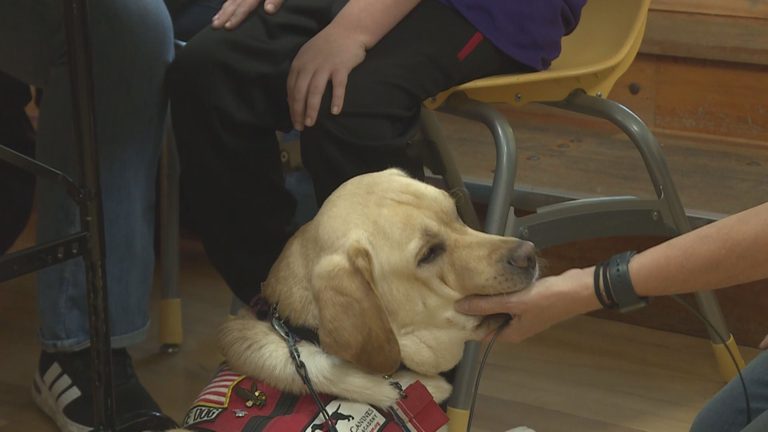
Clinic organizers provided a range of supports, including comfort dogs, noise‑canceling headphones, fidget toys, private spaces and medical staff trained to respond to varied sensory and communication needs. “We are able to individualize the care to the child,” said Sarah Breon, program manager for SSM Health’s mobile vaccine clinic. “We take as much time as is necessary.”
Parents share why the clinic matters
Megan Hufton, interim executive director of the Autism Society of Wisconsin and mother of two autistic children, described the anxiety many families feel before even stepping into a waiting room. “My children don’t handle waiting rooms well,” Hufton said. “They have fear even when we just pull into the parking lot.” She added that while misinformation linking vaccines to autism still circulates, the real barrier for many families is the trauma of previous medical encounters. “It was the trauma. It was the restraint and the PTSD,” Hufton explained.
Vaccines offered and community response
The clinic provided routine childhood immunizations as well as seasonal shots, including flu vaccines. Families who attended reported feeling more at ease and expressed hope that similar accommodations will become more common. “These individuals, children, adults even, they have that same right to access health care,” Hufton said. “It just takes some accommodation.”
Supporting broader health equity
By addressing the specific needs of autistic children and their families, the clinic aligns with broader efforts to improve health‑care equity in Wisconsin. The partnership demonstrates how nonprofit organizations and health systems can collaborate to remove barriers that disproportionately affect vulnerable populations.
Looking ahead
Organizers hope the success of this year’s clinic will inspire additional sensory‑friendly health‑care initiatives across the state. As more families experience a less traumatic vaccination process, public‑health officials anticipate higher immunization rates among children with autism, contributing to community immunity and protecting public health.
Original reporting: NBC15 WMTV (Gray) – local — read the source article.