Arizona’s long‑awaited rain this weekend delivered a critical surge of water to the Salt River Project (SRP) system, raising reservoir storage from 53% on Nov. 1 to 70% by Nov. 6. The influx added roughly 370,000 acre‑feet – about 120 billion gallons – to the network that supplies drinking water and irrigation across the Phoenix metropolitan area.
Runoff numbers and flood management
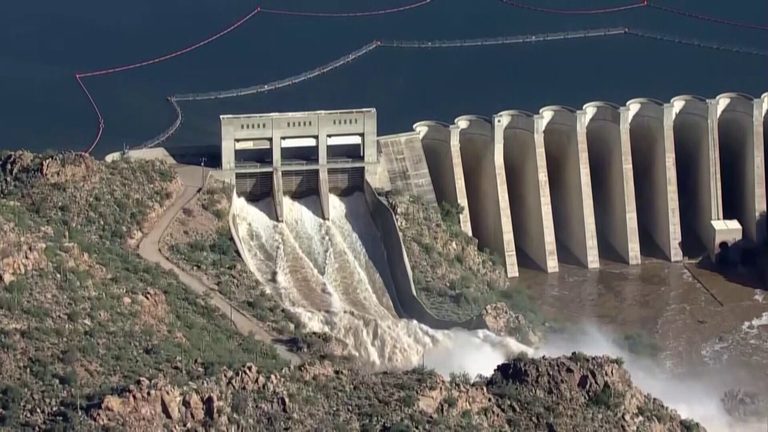
At the peak of the storm, runoff into the Verde River surged to around 94,000 cubic feet per second (approximately 703,000 gallons per second). Simultaneously, inflow to Roosevelt Lake reached about 145,000 cubic feet per second, or one million gallons per second. SRP officials released water strategically to manage flooding and protect dam structures, then returned releases to normal as the inflow slowed.
Impact on local communities
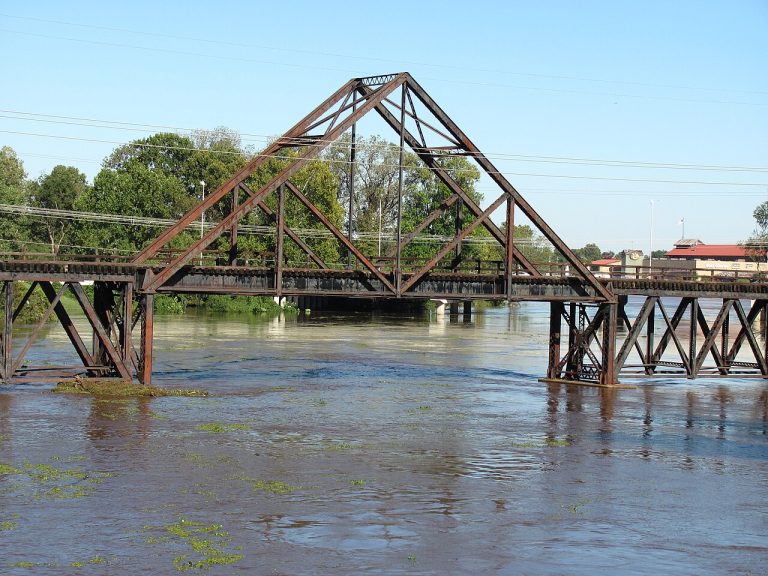
While the rain caused dangerous flooding that claimed lives, damaged homes, and forced road closures across the state, it also filled the Salt River riverbed and turned Tempe Town Lake into a rapid‑flowing channel, underscoring the dual nature of extreme weather. Some sections of the normally dry Salt River bed may stay closed for a time; motorists are advised to check the Arizona Department of Transportation website for updates.
Historical context
SRP noted that October and November recorded the highest inflows on record for the Salt and Verde watersheds after three consecutive years of low‑runoff seasons. The recent rains also gave Flagstaff its wettest fall on record, a sign that winter snowpack could be bolstered for the coming season.
What the numbers mean for the Valley
“The reservoir system performed exactly as designed, capturing and storing a significant amount of runoff that will help support water deliveries for the Valley while allowing us to conduct safe releases to ensure dam and public safety,” said Tim Skarupa, SRP senior manager of atmospheric sciences and hydrology.
With reservoirs now at 70% capacity, the region gains a buffer against future drought conditions and a more reliable water supply for households, farms, and businesses. The added water also supports SRP’s long‑term water‑conservation goals and helps maintain stable rates for ratepayers.
Looking ahead
SRP will continue to monitor river flows and adjust releases as needed to balance flood control with water storage. Residents are encouraged to stay informed about road conditions in flood‑prone areas and to heed any future advisories from local authorities.
For real‑time traffic updates, visit the ADOT website. Community members who witnessed the flooding or have safety concerns can report them to local emergency management offices.
Original reporting: azfamily KTVK/KPHO Phoenix (news) — read the source article.