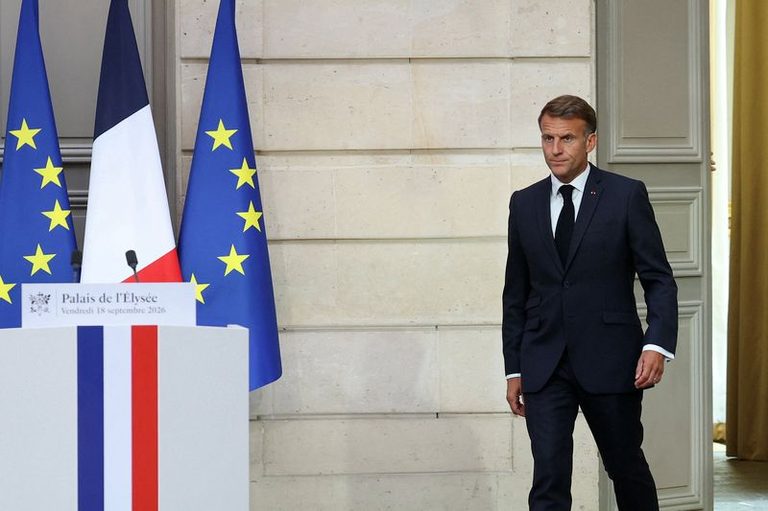
In a televised interview with TF1 and France 2, President Emmanuel Macron denied that the United States Central Intelligence Agency warned French security services about a possible Russian drone strike targeting southern Europe. “I can deny it. The CIA did not inform French services,” Macron said, emphasizing that France received no advance notice of the threat.
Russian activity raises alarm in Europe
Macron warned that Russia is intensifying hostile and criminal actions against European nations. He cited the recent failed attack in Leipzig as a reminder that Russian aggression can manifest in unexpected ways, and suggested that similar strikes could be directed at France.
The French president’s remarks come amid heightened concerns across the continent about Russian military capabilities, including the use of unmanned aerial systems. While French officials have not disclosed specific intelligence assessments, the statement highlights the challenges European allies face in coordinating timely warnings and responses to emerging threats.
U.S.-French intelligence cooperation
Although the CIA did not provide a direct warning, the United States and France maintain a long‑standing intelligence partnership. Both nations share information through NATO channels and bilateral agreements designed to protect mutual security interests. Macron’s comments suggest that, despite these mechanisms, gaps can still occur when rapid, actionable intelligence is needed.
U.S. officials have not publicly responded to the French president’s claim. However, the broader context includes ongoing U.S. efforts to monitor Russian military movements and to support European allies in countering potential aggression.
Implications for French security policy
Macron’s statement may prompt a review of France’s intelligence‑sharing protocols with Washington and other partners. Strengthening real‑time communication could help mitigate the risk of surprise attacks and ensure that French defense forces are better prepared for any future Russian actions.
French defense ministries have previously highlighted the importance of vigilance along the nation’s borders and airspace. The president’s remarks reinforce the need for continued investment in early‑warning systems and rapid‑response capabilities.
Broader European response
European leaders have repeatedly called for a unified stance against Russian provocations. NATO’s recent summit underscored the alliance’s commitment to collective defense, and member states are urged to share intelligence promptly.
As the situation evolves, European citizens are likely to watch closely for any developments that could affect regional stability. Macron’s candid admission about the lack of a CIA warning underscores the reality that even close allies must remain vigilant and proactive in the face of an increasingly unpredictable adversary.
Original reporting: Appleton, WI News Feed (HLL/CB) — read the source article.