In a move that underscores the importance of responsible law‑enforcement technology, the Macon County Sheriff’s Office announced the termination of Deputy Jonathan Bean for alleged misuse of Flock safety equipment. The decision follows an internal affairs investigation triggered by a tip from a “credible outside agency” received on Oct. 16.
Investigation and termination
Sheriff Brent Holbrooks posted a press release to Facebook on Oct. 20 stating that, after completing the internal investigation, he determined that termination was the appropriate course of action. The deputy, who had served with the office since 2016, declined a request for comment.
Chief Deputy Dereck Jones confirmed to the Smoky Mountain News that the North Carolina State Bureau of Investigation (SBI) is now conducting its own probe into the matter. No charges have been filed yet, and the specifics of the alleged misuse remain under wraps.
Background on Flock technology
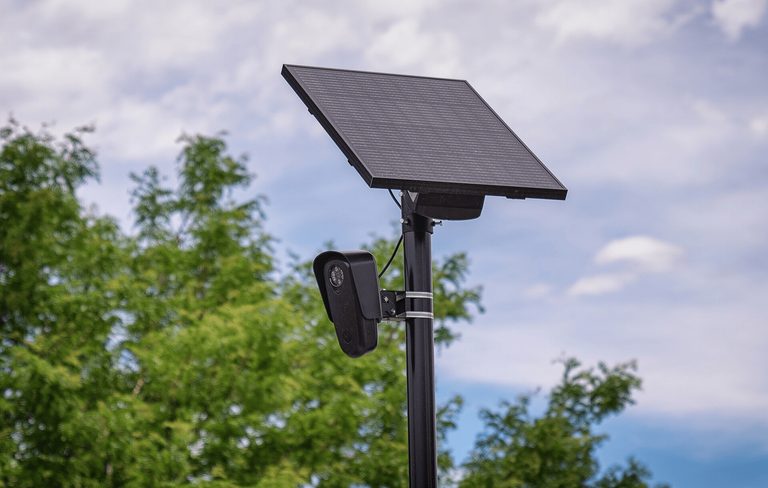
Flock Safety manufactures automated license‑plate readers (ALPRs) that capture images of vehicle plates and store data such as make, model and color. As of March, Macon County operated 12 Flock cameras through the sheriff’s office, while the local school system ran four additional units, together recording roughly 4.6 million license plates.
Flock’s network spans more than 120,000 cameras nationwide, allowing participating agencies to query a vehicle’s location history. The company also offers an Audit Assistance Tool, which it rolled out nationally in April to help agencies monitor system usage.
Local controversy and policy response
The deputy’s firing comes three months after Macon County commissioners unanimously voted to end the county’s contract with Flock on July 16, citing concerns about privacy and data security. Following the vote, Flock representatives covered and later removed the cameras from county property.
During the July meeting, Sheriff Holbrooks defended the technology, arguing that “capturing license‑plate information in public places does not constitute a Fourth Amendment violation.” He emphasized the tool’s value in investigating major crimes.
Statewide, many North Carolina counties have reevaluated their ALPR contracts. The SBI, in partnership with the NC Sheriff’s Association, the NC Association of Chiefs of Police, and the NC Police Executives Association, issued a best‑practices guide on Sept. 22. The document, while not law, recommends clear usage policies, limits on data retention, and safeguards against unwarranted searches.
Recent ALPR misuse cases in the state
North Carolina has seen several high‑profile ALPR misuse incidents. In Brunswick County, a deputy was recently indicted on felony and misdemeanor counts for accessing government computers and misusing ALPRs. In Charlotte, an officer with the Mecklenburg Police Department faced charges for illegal computer access after improperly using Flock systems for non‑law‑enforcement purposes.
Attorney Mark Spencer Williams, who leads a petition to remove Flock cameras from Wilmington, noted that the confidential nature of plate data makes it difficult for the public to verify whether agencies are conducting unauthorized searches.
What’s next for Macon County?
The SBI investigation will determine whether criminal charges are warranted against Deputy Bean. Meanwhile, the Macon County Sheriff’s Office has not responded to additional requests for comment or for the release of Flock audit logs, which the Carolina Public Press sought on Oct. 22.
County officials and community members continue to watch the outcome closely, as it may influence how other North Carolina jurisdictions handle ALPR technology and enforce the new best‑practice guidelines.
Original reporting: Carolina Public Press — read the source article.