Since early October, more than 200 people have been taken into custody during a series of ICE operations in the Fresno area, according to Nora Zaragoza‑Yáñez, program manager for Faith in the Valley’s watch network.
Zaragoza‑Yáñez said the figure is likely an underestimate because families often contact the network days or weeks after a detention while they verify what happened and seek assistance.
Volunteer effort to reunite families
The network has helped released individuals travel back to at least 29 states, with Texas, Utah, Florida, Maryland, New Jersey, New York and Washington among the most common destinations. Volunteers work in three‑ to four‑person shifts to arrange flights, print boarding passes and escort detainees to airports or other transportation. Some families purchase their own tickets; others rely on volunteers to make reservations over the phone or via video calls.
Operation Safe California and community response
The Washington Examiner, a right‑leaning publication, first reported on Oct. 7 that ICE was expanding its presence in California under “Operation Safe California,” a surge expected to last about 45 days leading into the midterm elections.
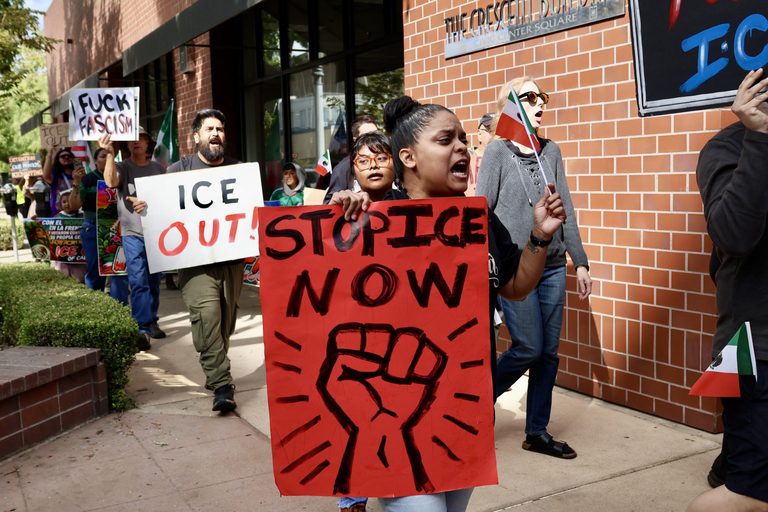
Videos of ICE arrests have circulated on social media, heightening tension in the community. Parents and local residents have demanded tangible action from city officials and law‑enforcement agencies to address the perceived surge.
Legal challenges and petitions
Since September, 8,411 habeas corpus petitions have been filed in the Eastern District of California, the highest rate in the nation according to analysis by Propublica.
Many detainees released in Fresno and Bakersfield filed petitions on their own, often working together in hopes of securing release.
Conditions of release
Those released in the Central Valley frequently receive only a green card, passport or cellphone, items that provide limited proof of identity. Detainees are given mesh onion bags for personal belongings and may not recover identification documents, work permits or wallets. Cellphones may be dead or need charging.
Allegations of profiling
Zaragoza‑Yáñez described agents stopping vehicles early in the morning—often as early as 3 a.m.—that appear to target Latino, Hispanic or Haitian drivers working in construction, agriculture or landscaping. Agents have also conducted stops at gas stations and convenience stores where workers gather before shifts.
A federal judge recently barred ICE agents across Southern California from detaining individuals solely based on Latino appearance or perceived working‑class status, requiring individualized reasonable suspicion.
Community concerns about surveillance
The network reports that out‑of‑state agents, many from Texas, have been observed with license plates from Mississippi, Arizona, New Mexico and other southern‑border states. Families suspect agents may be using license‑plate readers and surveillance cameras to cross‑reference vehicle registrations with immigration databases.
Detentions have also occurred during traffic stops in states with more conservative immigration policies or 287(g) agreements, allowing local law‑enforcement to assist federal immigration authorities.
Impact on hardworking residents
“They’re going after hardworking people,” Zaragoza‑Yáñez said. “They’re here in our communities just to provide for their families, to have a chance at a better life, of that American dream.”
Original reporting: Fresnoland — read the source article.