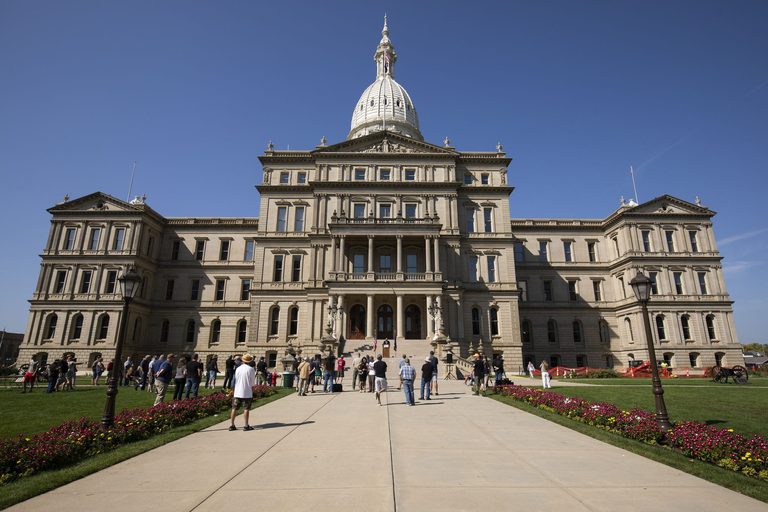
When Michigan voters gave overwhelming support to Proposal 2 – the so‑called “Money out of Politics” initiative – the Mackinac Center for Public Policy moved quickly to challenge its constitutionality. On Tuesday night the think‑tank filed a First Amendment lawsuit in the U.S. District Court for the Western District of Michigan, seeking an immediate pause on the law’s enforcement.
What Prop 2 does
Prop 2 bans regulated utilities such as DTE Energy and Consumers Energy, as well as contractors receiving more than $250,000 in annual government contracts, from making direct or indirect campaign contributions to public officials or candidates. The measure also extends the prohibition to parties with connections to those utilities and contractors, aiming to curb what supporters describe as “big‑money influence” in state politics.
Center’s legal arguments
AnnMarie Pariseau, communications director for the Mackinac Center, said the lawsuit alleges the proposal “burdens protected speech, discourages public debate, and threatens the privacy and safety of financial supporters and media‑outlet subscribers.” Senior attorney Brett Nolan of the Institute for Free Speech, the lead litigator, added, “The First Amendment guarantees people the freedom to praise and criticize the elected officials who govern us. There’s nothing free about a system that forces you to register with the government if you dare speak about those officials in public.”
The complaint contends that requiring registration of political speech and contributions creates an “expansive and dangerous assault on the right and ability of people to hold their government accountable.” The Center asks the federal court to halt enforcement of Prop 2 while the case proceeds.
Why the lawsuit matters
Supporters of the initiative argue that limiting corporate and contractor donations will restore faith in Michigan’s democratic process and give ordinary citizens a louder voice. Critics, including the Mackinac Center, warn that the law could chill free expression, force political actors into secrecy, and set a precedent for broader restrictions on speech.
Legal experts note that the case will likely test the balance between anti‑corruption reforms and constitutional free‑speech protections, a debate that has played out in courts across the country. The outcome could influence how other states craft similar “money‑out‑of‑politics” measures.
Next steps
The lawsuit now awaits a response from the federal judges handling the case. If the court grants a preliminary injunction, Prop 2’s restrictions would be suspended pending a full hearing. If not, the law could go into effect as scheduled, reshaping the political fundraising landscape for Michigan’s utilities and large contractors.
Both sides have pledged to continue advocating for their positions, emphasizing the importance of protecting either the integrity of elections or the fundamental right to free speech. Michigan voters and political observers will be watching closely as the legal battle unfolds.
Original reporting: Warren | FOX 2 Detroit — read the source article.