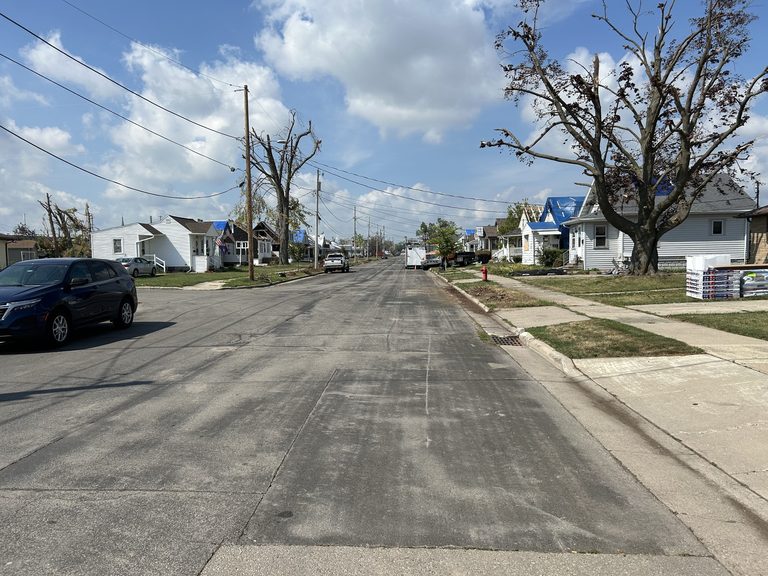
MENASHA, Wis. – In response to the lingering effects of the spring floods and the July 27 tornado, a coalition of more than 30 nonprofits, faith‑based groups and community organizations has formed the Calumet‑Outagamie‑Winnebago Long‑Term Recovery Committee (LTRC). The committee’s purpose is to provide a one‑stop resource for residents who need help rebuilding their lives, whether that means financial aid, housing support, or counseling services.
How the Committee Operates
Committee director Christina Muller explained that the LTRC will coordinate assistance through a centralized intake form. Residents can fill out the online form to describe their specific needs, and the committee will match them with the appropriate partner organization. “Our goal is to reach every resident who needs assistance,” Muller said, emphasizing that the effort is meant to be inclusive and comprehensive.
The LTRC’s membership includes local charities, churches, mental‑health providers, and regional agencies. By pooling expertise and resources, the group aims to avoid duplication of services and ensure that aid is delivered quickly and efficiently.
Services Available
- Financial Assistance: Grants and low‑interest loans for home repairs, utility bills, and emergency expenses.
- Housing Support: Temporary shelter referrals, assistance with insurance claims, and guidance on rebuilding.
- Mental‑Health Care: Free counseling sessions, support groups, and referrals to licensed therapists.
- Legal Aid: Help navigating insurance disputes and accessing government assistance programs.
All services are offered at no cost to residents, and the committee encourages anyone affected by the recent disasters to apply.
How to Access Help
Residents can access the intake form by clicking the link provided on the committee’s website or by visiting the Menasha City Hall, where volunteers are available to assist with the application process. The form asks for basic contact information and a brief description of the assistance needed.
Community leaders stress that the LTRC is a long‑term effort, not a short‑term emergency response. “We recognize that recovery from a flood or tornado can take years,” Muller noted. “Our committee is here to support families throughout that journey, ensuring they have the resources they need at every stage.”
Local faith‑based organizations have already pledged volunteers to provide counseling and spiritual support, underscoring the community’s commitment to holistic recovery that addresses both material and emotional needs.
For more information or to submit a request for assistance, residents should visit the committee’s website or call the dedicated hotline listed on the intake form.
Original reporting: WHBY (Appleton) — read the source article.