According to a recent Grand View Research forecast, the luxury packaging sector is on track to hit $33.9 million by the end of 2026 and grow to $43.3 million by 2030. While food items still dominate overall packaging volume, health and beauty products represent the fastest‑growing segment within this niche.
Regulatory push fuels adoption
Health and beauty goods face intense oversight in North America and Europe. Agencies such as the European Commission’s Circular Economy Action Plan and the UK’s Medicines and Healthcare Products Regulatory Agency are encouraging brands to move away from unsustainable packaging. Luxury packaging, with its traceability and recyclable‑by‑design features, is becoming a compliance cornerstone for companies seeking to meet these stricter standards.
Sustainability and accountability
Brands are under pressure to make packaging fully traceable, both to satisfy regulators and to win over eco‑conscious shoppers. Serialization technologies—unique codes that track each package through the supply chain—are now a critical part of packaging workflows. This shift helps ensure that promises of recyclability are actually fulfilled.
Connected experiences drive consumer engagement
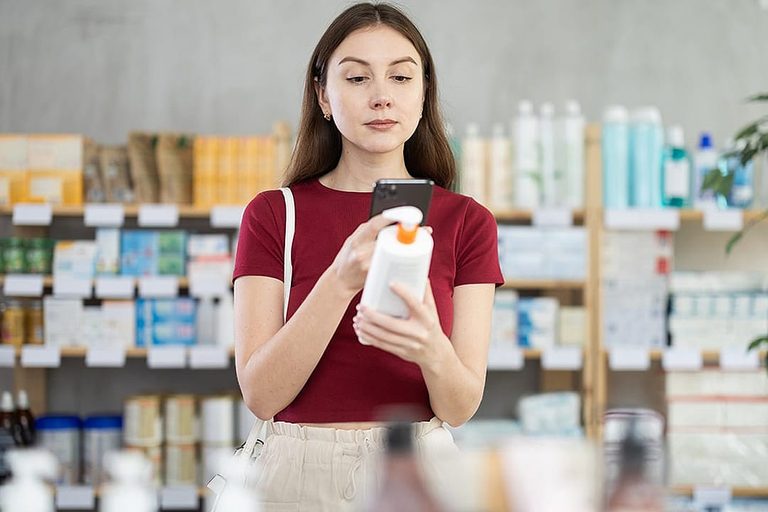
Beyond compliance, luxury packaging offers a digital bridge between the physical product and the consumer. A report cited by the Active & Intelligent Packaging Industry Association (AIPIA) found that 92.3% of respondents see connected packaging as increasingly important, and 81.2% have already adopted it in some form. QR codes and NFC tags are the most popular tools, with 47.1% of brands using a combination of both. Gamified elements—mobile games, quizzes, and interactive challenges—are employed by roughly two‑thirds of brands, delivering a 14% scan rate in one AIPIA case study.
Market dynamics: luxury versus affordable
Historically, premium skincare was equated with superior performance. That perception is changing. McKinsey notes that affordable alternatives now account for over $75 billion in spending, while luxury and prestige brands occupy a smaller commercial niche. Nevertheless, even budget‑focused products are beginning to adopt luxury‑grade packaging to meet regulatory expectations and consumer demand for interactive experiences.
Industry collaboration
Printing and packaging specialists such as TEAM Concept report a rise in partnerships with health and beauty brands. These collaborations integrate scannable QR codes and other connected features directly into production runs, allowing companies to blend shelf‑side presence with digital engagement without sacrificing efficiency.
Looking ahead
As the technology behind luxury packaging becomes more accessible and cost‑effective, its adoption is expected to spread beyond health and beauty into other consumer sectors. Ultimately, the trend reflects a broader shift: consumers now expect to interact with brands across every available channel, whether in‑store or online.
For businesses, the message is clear—investing in premium, compliant, and connected packaging is no longer optional. It is becoming a standard requirement for staying competitive and trustworthy in a market where regulators, sustainability advocates, and tech‑savvy shoppers all demand more.
Original reporting: El Paso News (HLL/CB) — read the source article.