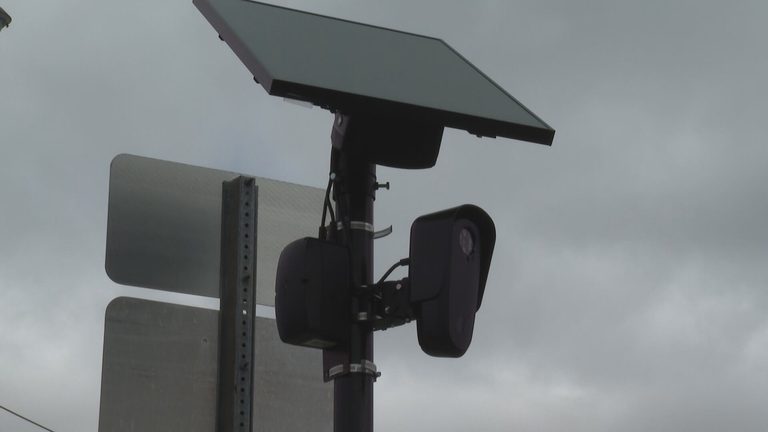
TOLEDO, Ohio – On Tuesday morning, Lucas County commissioners are scheduled to vote on hiring an external cyber‑security firm to conduct a comprehensive audit of the county’s Flock camera network. The proposed audit, budgeted at $18,765, aims to determine how the system is being accessed and whether its use aligns with legitimate law‑enforcement purposes.
Commissioner Gerken pushes for transparency
Commissioner Pete Gerken has been the primary advocate for the review. He told the I‑TEAM that a clear definition of who accesses the database, why they do so, and what information they retrieve is essential. “I think an audit will do one thing primarily, kinda sort that out: Who’s getting it? Why are they getting it? What do they need to access it? Put some definition around that,” Gerken said.
Gerken emphasized that the audit is not intended to dismantle the program. “If there are legitimate ways that we can have these cameras, which are already in place — we have a contract — I am not saying take them down. We’ll get to what that is when we get the information,” he added.
Recent usage raises questions
Concern over the system’s usage grew after a report revealed that the Houston Police Department queried the Lucas County Flock database roughly 70,000 times in a single month. While the figure reflects inter‑agency cooperation, it also prompted calls for clearer oversight.
Gerken noted that the audit will help distinguish between “mass surveillance, which is clearly expanding,” and the specific, lawful activities currently being performed. He stressed that he has no reason to believe there are major violations, but believes a broader review will provide needed clarity.
What the audit will cover
The selected cyber‑security firm will examine the technical architecture of the Flock system, data access logs, and any existing policies governing use. The review will also assess whether the current contract with the vendor meets the county’s security standards and public‑interest goals.
Findings will be presented to the commissioners for further action. Potential outcomes could include reaffirming the program’s current operation, recommending policy adjustments, or, if warranted, proposing additional safeguards.
Fiscal responsibility and community impact
County officials highlighted the modest cost of the audit relative to the overall budget for public safety. By investing $18,765 now, they aim to avoid larger expenditures that could arise from unchecked misuse or public backlash.
Local residents have expressed mixed feelings about the surveillance network. Some appreciate the added security, while others worry about privacy implications. The audit is positioned as a proactive step to address both perspectives and maintain public trust.
Next steps
If the commissioners approve the contract on Tuesday, the audit will commence within weeks. The county plans to share a summary of the findings with the public, reinforcing its commitment to transparency and responsible law‑enforcement practices.
Lucas County’s approach reflects a broader trend among local governments seeking to balance technology‑driven safety measures with constitutional protections for privacy and individual liberty.
Original reporting: 13abc WTVG Toledo (news) — read the source article.