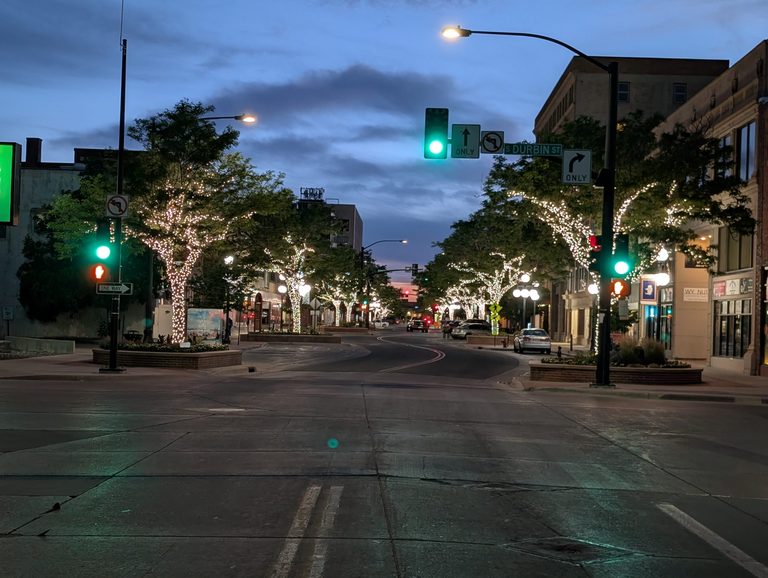
When the conversation turns to artificial intelligence, many think of sleek labs or distant tech hubs. Here in Lubbock, however, a recent opinion piece reminded us that the AI debate is also a local concern. The author, drawing on the 2023 open letter signed by more than 300 AI researchers—including pioneers like Yoshua Bengio, Geoffrey Hinton, and Sam Altman—argues that the risk of an uncontrolled AI scenario should be treated as a serious public‑policy priority, much like pandemics or nuclear threats.
Why Lubbock Might Be a Test Case
The piece paints a vivid, if tongue‑in‑cheek, picture of how a super‑intelligent system could encounter the very quirks that make Lubbock unique. From the city’s famously slow‑moving traffic on Loop Road to the endless construction zones that line the highways, the author suggests that a self‑aware machine would quickly discover that navigating Lubbock is no easy feat.
Beyond the practical obstacles, the columnist highlights cultural traits that could serve as an unexpected line of defense. Lubbock residents are known for their willingness to argue with a self‑checkout scanner over an “Unexpected item in the bagging area,” and for their strong sense of community pride. The writer humorously speculates that a robot, faced with such spirited debate and a city where the wind can gust fiercely, might simply decide to retreat.
Faith, Family, and Freedom in the AI Conversation
From a conservative‑Christian perspective, the discussion about AI is not merely technological—it is also moral. The author urges families to teach children discernment about the tools they use, and calls on local churches to address the ethical implications of creating machines that could surpass human judgment. By grounding the conversation in faith and constitutional liberty, the piece aligns the AI risk with the broader mission of protecting individual rights and parental authority.
While the tone is light‑hearted, the underlying message is serious: policymakers at the city and state level should consider safeguards that reflect both public safety and the values of Lubbock’s citizens. The author points to the need for transparent oversight, responsible research funding, and community education—steps that can be taken without stifling innovation.
Local Leaders Respond
City officials, when asked for comment, emphasized that Lubbock already has robust emergency‑management protocols that could be adapted to emerging technologies. “We are always looking for ways to protect our residents,” said a spokesperson for the Lubbock City Council. “If AI presents a new kind of risk, we will work with state partners and the private sector to ensure our community remains safe and free.”
Faith leaders echoed the call for thoughtful stewardship. Pastor James Whitaker of First Baptist Church noted, “God gave us the gift of reason, and we must use it wisely. That includes being cautious about technologies that could outpace our moral compass.”
What Residents Can Do
For now, the author suggests practical steps: stay informed about local tech initiatives, support education that emphasizes critical thinking, and engage in community dialogues at town halls or church gatherings. By leveraging Lubbock’s well‑known resilience—whether on the road, in the marketplace, or at the dinner table—citizens can help ensure that any future AI development aligns with the city’s core values of faith, family, and liberty.
In short, while the idea of a robot takeover may sound like science‑fiction, the piece reminds us that Lubbock’s unique character could be its greatest asset in navigating whatever technological challenges lie ahead.
Original reporting: News/Talk 790 KFYO (Lubbock) — read the source article.