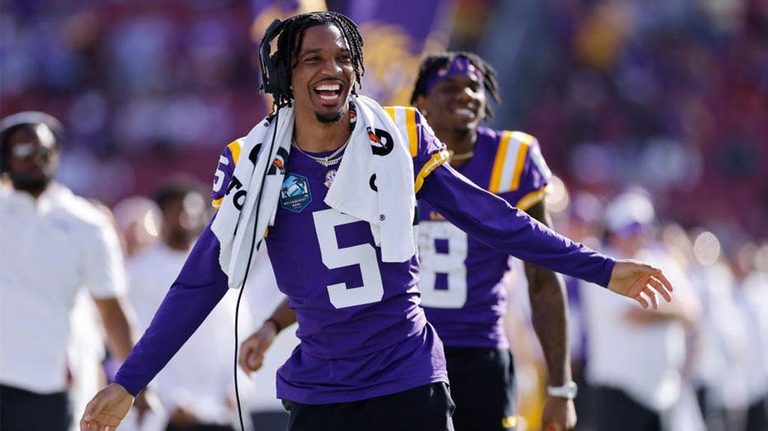
In a vivid display of local passion, LSU fans at Tiger Stadium expressed their displeasure toward former quarterback Jayden Daniels during a halftime video tribute. The crowd, which had been roaring for every former LSU player shown, turned to boos when Daniels’ name appeared on the jumbotron.
Background on the dispute
Daniels, who led the Tigers to a Heisman Trophy win in 2023 and helped secure a 51‑10 victory over Clemson in 2026, has been at the center of a legal disagreement with the university. In August, Daniels and his attorney, Adam Kenner, sent a cease‑and‑desist letter to LSU athletic director Verge Ausberry demanding that the school immediately stop any use of Daniels’ name, image, or likeness (NIL). The letter warned that any further exploitation would be pursued vigorously through all available legal remedies.
University officials have not publicly responded to the letter, but the issue resurfaced during the game when the video “NFLSU” highlighted former LSU players now in the NFL. While fans gave a modest applause for each former player, Daniels’ appearance alongside former linebacker K’Lavon Chaisson prompted a chorus of boos.
Jersey number controversy
Complicating matters, Daniels’ iconic No. 5 jersey has been reassigned this season to sophomore cornerback DJ Pickett. Pickett claims he has worn the number throughout his career and was promised it when he signed with LSU. The Tigers have a five‑year waiting period before a jersey can be retired, so the number remains active, but Daniels apparently expected the university to seek his permission before reassigning it.
Former head coach Brian Kelly, who recruited both Daniels and Pickett, was dismissed from LSU in 2024. Lane Kiffin, now the head coach, took over the program in 2026 and had no direct ties to Daniels during his playing days.
Fan reaction and broader implications
The boos reflect a broader sentiment among some LSU supporters who feel the university should honor its star athletes by seeking consent before using their NIL for promotional purposes. Others argue that once a player leaves for the NFL, the university retains the right to celebrate its history without additional permissions.
While the incident is localized to the stadium, it underscores the evolving landscape of NIL rights in college athletics. As more former athletes assert control over their personal brands, universities must navigate a delicate balance between honoring past heroes and respecting their legal claims.
Looking ahead
Whether the cease‑and‑desist letter will lead to a settlement or further legal action remains uncertain. For now, the episode serves as a reminder that the passions of college football extend beyond the field, touching on issues of personal rights, tradition, and the deep connection between fans and their beloved programs.
Original reporting: Fox News (HLL/CB) — read the source article.