People hear “bicycle museum” and picture a few old ten-speeds in a fluorescent-lit room. I did. Then I drove out to Loveland on a quiet Tuesday afternoon and spent almost two hours in there without meaning to.
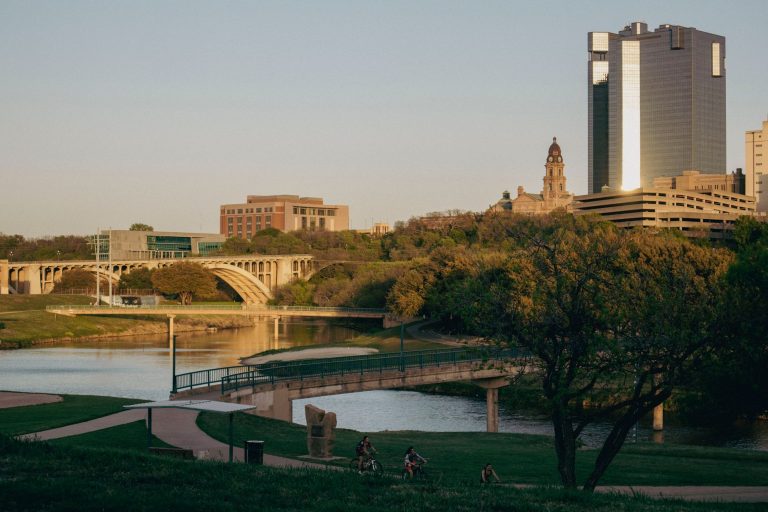
The Loveland Bicycle Museum sits right on the Little Miami Scenic Trail corridor in downtown Loveland — a town that has quietly become one of the better day-trip destinations from Cincinnati, about 20 miles northeast. The museum is small by institutional standards, maybe 3,000 square feet, and admission is free, which immediately makes you suspicious it won’t be worth your time. It is worth your time.
What’s inside is a genuinely odd and carefully assembled collection of bicycles spanning roughly 150 years. The oldest pieces include high-wheelers — the penny-farthings with the enormous front wheel — and a boneshaker or two that look like instruments of punishment more than transportation. These aren’t reproductions. They’re the actual artifacts, and seeing them in person recalibrates how recent the modern bicycle actually is. The chain-drive safety bicycle we’d recognize today only came around in the late 1880s. There’s something vertiginous about realizing the thing you learned to ride as a kid has ancestors that look like fever dreams.
The collection moves forward through the decades in ways that are more culturally interesting than I expected. There are racing bikes, delivery bikes, military bikes from World War II — the U.S. Army apparently used folding bicycles, which sounds absurd until you see one — and a stretch of American balloon-tire bikes from the postwar years that look like Cadillacs on two wheels. A few celebrity and novelty pieces are scattered through, but they don’t dominate. The curators seem to actually care about the history rather than just chasing eyeballs.
One exhibit I kept coming back to traced the connection between early cycling culture and the women’s suffrage movement. The bicycle gave women literal mobility and independence in the 1890s in a way that’s easy to underestimate from this distance. There are period photographs and some original handbills and newspaper clippings. It’s a real argument for how transportation technology shapes social history, and it’s made without being heavy-handed.
The staff — it runs partly on volunteers — are the kind of people who have genuinely read about this stuff. I asked a fairly narrow question about the difference between French and British racing geometry in the early twentieth century and got a fifteen-minute conversation I wasn’t expecting. Don’t be in a hurry.
Because the museum is right on the trail corridor, it makes obvious sense to pair the visit with a ride or a walk along the Little Miami. Loveland itself has a cluster of decent spots for lunch — The Wiseguy Lounge does solid food, and there are a few coffee shops within easy walking distance. Parking is free and plentiful.
Hours shift seasonally, so check ahead, but they’re generally open most afternoons Wednesday through Sunday. Again: admission is free, though they’ll take a donation and they’ve earned one. If you drive out there expecting a polite little hobby exhibit, you’ll leave having thought harder about the history of everyday movement than you planned to.